University campus in Montana
Updated January 2026

Best Computer Science Degree Programs in Montana — 2026 Rankings

Explore 7 accredited computer science (CS) degree programs in Montana. Compare schools by graduation rate, salary outcomes, and tuition—from Aaniiih Nakoda College to Montana State University.

#1 ProgramMontana State
Avg Salary$89,870
Tuition From$3,080/yr
Job Growth+22%

Key Takeaways

Top 3 ranked: Montana State, U of Montana, U of Providence

Based on graduation rates, program outcomes, and institutional quality

IPEDS 2023

Tuition ranges from $3,080 to $39,152/year

Aaniiih Nakoda College offers the most affordable option at $3,080/yr

IPEDS 2023

Degree levels: 1 associate's, 2 master's, 1 doctoral programs available in Montana

From community college pathways to advanced research degrees

IPEDS 2023

Montana community college transfer can save 40-60% on total degree costs

1 associate's programs provide transfer pathways to bachelor's degrees

Education Commission of the States

Major employers: Oracle, Workiva, Zoot Enterprises, onXmaps

Tech hubs in Bozeman and Missoula

Hakia Research 2026

Computer Science programs available near 13+ cities across Montana

Search by city to find programs within 200 miles of your location

IPEDS 2023

Updated February 2026

On This Page
$89,870
Is Computer Science in Montana Worth It?
Yes. Computer Science degrees in Montana deliver strong ROI—graduates earn $89,870 median salary with +22% job growth through 2032. In-state tuition averages $17,291/year.

Source: BLS OEWS May 2024

Best Computer Science Degree Programs in Montana

Bachelor's Computer Science Degree Programs in Montana

6 programs$89,870 median salary88% avg grad rate
6
Programs
$89,870
Median Salary
$19,660/yr
Avg Tuition
88%
Avg Grad Rate

Program Landscape

Montana ranks among the nation's top destinations for computer science education, with 6 accredited bachelor's degree programs across 3 public and 3 private institutions. The highest-ranked programs are Montana State, U of Montana, U of Providence, recognized for academic excellence, research opportunities, and strong industry connections.

Career Outcomes

Graduates from Montana computer science programs earn a median salary of $76,390—22% below the national average. The state's robust technology sector, anchored by the Bozeman, Missoula, Billings metropolitan areas, provides abundant internship and employment opportunities with companies including Oracle, Workiva, Zoot Enterprises.

Costs & Value

Tuition ranges from $5,736 to $39,152 annually, with an average of $19,660/yr. Top programs maintain graduation rates above 88%, with the highest reaching 100%. Many programs hold ABET accreditation, the gold standard for computing education, ensuring curriculum meets rigorous industry standards.

Curriculum & Specializations

Students can choose from specializations including software engineering, cybersecurity, artificial intelligence, data science, and systems architecture. Strong industry partnerships provide access to co-op programs, capstone projects with real companies, and direct recruiting pipelines to Montana's leading technology employers. For students seeking computer science degrees in Montana, these top-ranked computer science schools offer the strongest combination of academic rigor and career preparation.

Show:

Earn your bachelor's in Computer Science

(Sponsored)

Loading programs...

🥇

Montana State University

Public
Bozeman, MT
$6,056
Tuition/yr
85%
Grad Rate
74.8
Score
Website
🥈

The University of Montana

Public
Missoula, MT
$5,736
Tuition/yr
100%
Grad Rate
53.5
Score
Website
🥉

University of Providence

Private
Great Falls, MT
$28,618
Tuition/yr
84%
Grad Rate
45.5
Score
Website
#4

Montana Technological University

Public
Butte, MT
$6,113
Tuition/yr
82%
Grad Rate
41.7
Score
Website
#5

Carroll College

Private
Helena, MT
$39,152
Tuition/yr
38.0
Score
Website
#6

Rocky Mountain College

Private
Billings, MT
$32,282
Tuition/yr
36.2
Score
Website

Complete Computer Science Degree Program Rankings in Montana

Best Associate's Computer Science Degree Programs in Montana

### Program Landscape Montana offers **1 accredited** associate's degree programs in computer science, providing an affordable entry point into the technology field. The top-ranked programs include **Aaniiih Nakoda College**, which combine rigorous technical curriculum with practical skills training. ### Costs & Value Community colleges in Montana offer these two-year programs at an average cost of **$3,080/yr**—significantly less than four-year university tuition. Students completing associate's degrees can pursue entry-level technical positions and transfer opportunities, with entry-level salaries averaging **$49,429** in Montana. ### Career Pathways Many programs feature guaranteed transfer agreements with Montana's public universities, allowing students to complete their first two years at reduced cost before transferring to complete a bachelor's degree. The Bozeman, Missoula, Billings areas offer particularly strong job markets for associate's degree holders, with employers like Oracle, Workiva, Zoot Enterprises hiring for technical support, junior development, and IT specialist positions. ### Curriculum & Specializations Programs typically include coursework in programming fundamentals, database management, networking basics, and software development. Among computer science schools in Montana, these associate's programs offer the best value for students beginning their computer science degrees in Montana.

  1. #1. Aaniiih Nakoda College

    Hakia ranks Aaniiih Nakoda College as the #1 associate's in computer science degree program in Montana. This public institution in Harlem, MT has annual tuition of $3,080. Ranking score: 39.7.

Best Bachelor's Computer Science Degree Programs in Montana

### Program Landscape Montana ranks among the nation's top destinations for computer science education, with **6 accredited** bachelor's degree programs across **3 public** and **3 private** institutions. The highest-ranked programs are **Montana State**, **U of Montana**, **U of Providence**, recognized for academic excellence, research opportunities, and strong industry connections. ### Career Outcomes Graduates from Montana computer science programs earn a median salary of **$76,390**—22% below the national average. The state's robust technology sector, anchored by the Bozeman, Missoula, Billings metropolitan areas, provides abundant internship and employment opportunities with companies including Oracle, Workiva, Zoot Enterprises. ### Costs & Value Tuition ranges from **$5,736** to **$39,152** annually, with an average of **$19,660/yr**. Top programs maintain graduation rates above **88%**, with the highest reaching **100%**. Many programs hold ABET accreditation, the gold standard for computing education, ensuring curriculum meets rigorous industry standards. ### Curriculum & Specializations Students can choose from specializations including software engineering, cybersecurity, artificial intelligence, data science, and systems architecture. Strong industry partnerships provide access to co-op programs, capstone projects with real companies, and direct recruiting pipelines to Montana's leading technology employers. For students seeking computer science degrees in Montana, these top-ranked computer science schools offer the strongest combination of academic rigor and career preparation.

  1. #1. Montana State University

    Hakia ranks Montana State University as the #1 bachelor's in computer science degree program in Montana. This public institution in Bozeman, MT has annual tuition of $6,056 and a 85% graduation rate. Ranking score: 74.8.

  2. #2. The University of Montana

    Hakia ranks The University of Montana as the #2 bachelor's in computer science degree program in Montana. This public institution in Missoula, MT has annual tuition of $5,736 and a 100% graduation rate. Ranking score: 53.5.

  3. #3. University of Providence

    Hakia ranks University of Providence as the #3 bachelor's in computer science degree program in Montana. This private institution in Great Falls, MT has annual tuition of $28,618 and a 84% graduation rate. Ranking score: 45.5.

  4. #4. Montana Technological University

    Hakia ranks Montana Technological University as the #4 bachelor's in computer science degree program in Montana. This public institution in Butte, MT has annual tuition of $6,113 and a 82% graduation rate. Ranking score: 41.7.

  5. #5. Carroll College

    Hakia ranks Carroll College as the #5 bachelor's in computer science degree program in Montana. This private institution in Helena, MT has annual tuition of $39,152. Ranking score: 38.0.

  6. #6. Rocky Mountain College

    Hakia ranks Rocky Mountain College as the #6 bachelor's in computer science degree program in Montana. This private institution in Billings, MT has annual tuition of $32,282. Ranking score: 36.2.

Best Master's Computer Science Degree Programs in Montana

### Program Landscape Montana offers **2** master's degree programs in computer science, designed for professionals seeking to advance into senior engineering, technical leadership, and specialized roles. The top programs—**Montana State**, **U of Montana**—combine advanced technical training with research opportunities and leadership development. ### Career Outcomes Master's graduates in Montana earn a median salary of **$89,870**, approximately **20-30% higher** than bachelor's degree holders. The concentration of technology companies in Bozeman, Missoula, Billings creates strong demand for graduate-level talent, with Oracle, Workiva, Zoot Enterprises actively recruiting from these programs. ### Costs & Value Program formats include traditional full-time study (typically 2 years), part-time options for working professionals (2-3 years), and accelerated tracks. Tuition averages **$5,896/yr**, with many employers offering tuition reimbursement for graduate education. Some programs offer thesis and non-thesis tracks, allowing students to focus on research or professional development based on their career goals. ### Curriculum & Specializations Curriculum covers advanced topics including machine learning, distributed systems, software architecture, and technical management. Many programs include practicum experiences, industry capstone projects, or consulting engagements that provide real-world application of advanced concepts. Among Montana's computer science schools at the graduate level, these programs stand out for both academic quality and career outcomes.

  1. #1. Montana State University

    Hakia ranks Montana State University as the #1 master's in computer science degree program in Montana. This public institution in Bozeman, MT has annual tuition of $6,056 and a 85% graduation rate. Ranking score: 68.6.

  2. #2. The University of Montana

    Hakia ranks The University of Montana as the #2 master's in computer science degree program in Montana. This public institution in Missoula, MT has annual tuition of $5,736 and a 100% graduation rate. Ranking score: 44.1.

Best Doctoral Computer Science Degree Programs in Montana

### Program Landscape Montana is home to **1** doctoral programs in computer science, preparing students for research positions, faculty appointments, and executive technical roles. Leading programs at **Montana State** are recognized for cutting-edge research, strong faculty publications, and competitive funding packages. ### Career Outcomes Doctoral graduates command premium salaries, with Montana PhD holders earning a median of **$112,338**—reflecting the advanced expertise required for research and executive positions. The Bozeman, Missoula, Billings region's research universities and corporate R&D centers provide extensive collaboration opportunities with industry leaders like Oracle, Workiva, Zoot Enterprises. ### Costs & Value PhD programs typically require 4-6 years of full-time study, including coursework, qualifying examinations, and original dissertation research. Many programs offer full funding through teaching or research assistantships, covering tuition and providing stipends of **$25,000–$40,000** annually. ### Curriculum & Specializations Research strengths across Montana programs include artificial intelligence, cybersecurity, human-computer interaction, systems, and theoretical computer science. For aspiring researchers pursuing computer science degrees in Montana, graduates go on to careers as university faculty, industry research scientists, or technical executives, contributing to advances in technology that impact millions of users worldwide.

  1. #1. Montana State University

    Hakia ranks Montana State University as the #1 doctoral in computer science degree program in Montana. This public institution in Bozeman, MT has annual tuition of $6,056 and a 85% graduation rate. Ranking score: 67.5.

Computer Science Tuition in Montana

MetricValue
Average in-state tuition$17,291/year
Average out-of-state tuition$43,228/year
Community college tuition$4,323/year
4-year savings for residents$103,748
2+2 transfer pathway savings$25,936

Source: IPEDS 2023

Computer Science Financial Aid & Scholarships in Montana

State Aid Programs

Montana computer science students have access to multiple layers of financial support, starting with federal aid through the Free Application for Federal Student Aid (FAFSA). The Federal Student Aid portal provides comprehensive information about grants, loans, and work-study opportunities available to eligible students. Additionally, Montana offers the Montana University System Honor Scholarship, a merit-based tuition waiver program designed specifically for Montana high school graduates pursuing degrees within the state's public university system. This scholarship significantly reduces the financial burden for qualifying students attending institutions like Montana State University and The University of Montana.

Key Programs & Amounts

Individual institutions within Montana also provide institutional scholarships and aid packages to computer science majors. Montana State University and The University of Montana, the state's two largest computer science programs with 115 and 23 completions respectively, offer various merit and need-based scholarships. Students should explore the College Scorecard to compare net price and aid offerings across Montana's 12 institutions offering computer science programs. Beyond state and federal resources, prospective students can investigate scholarships through professional organizations like the ABET-accredited programs, which often maintain partnerships with industry sponsors offering additional funding opportunities for computer science majors.

Calculate Your Computer Science Degree ROI in Montana

Use our interactive ROI calculator to estimate your return on investment for a computer science degree in Montana. Enter your expected tuition costs, financial aid, and career goals to see projected payback periods and lifetime earnings. The calculator uses current salary data from BLS and tuition data from IPEDS to provide accurate estimates.

Computer Science Degree ROI Calculator
Estimate your return on investment for a computer science degree
$

Leave blank to use average cost for selected program type

20 years
10 years20 years30 years
20-Year ROI

+907%

Net gain divided by total investment. ROI above 200% is considered excellent for education investments.

Net Gain

$1,677,254

Your additional lifetime earnings with this degree vs. working without one, minus the total investment.

Break-Even

5 years

Years until your cumulative earnings exceed total investment. Shorter programs often break even faster due to lower opportunity cost.

COL-Adjusted Salary

$133,333

Your starting salary adjusted for local cost of living. This shows real purchasing power compared to a $100K national baseline.

Why does break-even change with program type? Your "total investment" includes both tuition AND opportunity cost (foregone earnings while in school). A 4-year full-time public university (in-state) means 4 years of not earning a salary ($140,000 in opportunity cost). Shorter full-time programs may have higher tuition but lower total investment because you return to the workforce sooner.

Detailed Breakdown
How we calculate your degree ROI using real salary data
Total Investment$185,000

Tuition plus opportunity cost (earnings you miss while in school)

Program Cost (Tuition)$45,000

Direct cost of the degree program

Opportunity Cost$140,000

4 years × $35K/year foregone salary while studying full-time

20-Year Earnings (with degree)$2,712,662

Projected career earnings starting after graduation, with salary growth

20-Year Earnings (without degree)$850,408

What you'd earn working at $35K/year with 2% annual growth

Starting Salary (Austin, TX)$140,000

Median salary for this role in your selected location (BLS 2024)

Annualized Return4.9%

Your investment's compound annual growth rate (similar to stock market returns)

Data sources: BLS OEWS May 2024, IPEDS 2023. Calculations use median salaries, 3% discount rate, and assume salary growth declines from 6% to 2% over career. Individual results will vary. | Powered by Hakia.com

Career Paths

Design and develop software applications and systems

Median Salary:$101,553

Analyze complex datasets and build predictive models

Median Salary:$84,478

Protect computer networks from cyber threats

Median Salary:$94,364

Manage cloud infrastructure and deployment pipelines

Median Salary:$99,756

Design and maintain cloud computing infrastructure

Median Salary:$97,060

Build and deploy machine learning models

Median Salary:$113,236
Computer Science Salaries by Metro Area

Median annual salary in Montana metro areas

Hakia.com
View data table
Categoryvalue
Bozeman$99K
Missoula$94K
Billings$90K

Source: BLS OEWS May 2024

Hakia.com

Computer Science Jobs in Montana: Top Employers Hiring

Find computer science jobs in Montana. These major employers across Montana metro areas are actively hiring computer science graduates. Click employer names to view current job openings.

Computer Science Jobs in Bozeman

MT
Oracle
tech
Workiva
tech
Zoot Enterprises
fintech

Computer Science Jobs in Missoula

MT
ATG (Advanced Technology Group)
consulting
University of Montana
education

Computer Science Jobs in Billings

MT
Billings Clinic
healthcare

How to Apply to Computer Science Programs in Montana

1

Research Program Requirements

Review admission requirements for computer science programs at your target schools. Requirements vary by institution and degree level.

2

Prepare Application Materials

Gather transcripts, test scores (SAT/ACT for undergrad, GRE for graduate), letters of recommendation, and personal statement.

3

Apply for Financial Aid

Complete the FAFSA by priority deadlines.

4

Submit Applications Before Deadlines

Apply early for priority consideration. Early action/decision deadlines are typically October-November; regular deadlines December-January.

5

Complete Enrollment Steps

Accept your offer, submit enrollment deposit, complete orientation requirements, and register for classes.

Computer Science Transfer Pathways in Montana

State Transfer System

Montana offers robust transfer pathways for computer science students through the Montana Common Course Numbering system (https://mus.edu/), which standardizes course numbering and content across all institutions in the Montana University System. This system ensures that credits earned at Montana's 10 two-year institutions (IPEDS) transfer seamlessly to 14 four-year institutions, creating a coherent educational pipeline. Students pursuing an associate's degree in computer science at participating community colleges can complete foundational coursework—including programming, mathematics, and general education requirements—before transferring to bachelor's programs at flagship institutions like Montana State University and The University of Montana. This approach reduces overall education costs while maintaining academic rigor and credential quality.

How Transfers Work

Articulation agreements between Montana's two-year and four-year institutions facilitate smooth transitions and reduce redundant coursework. The Montana University System (https://mus.edu/) administers these agreements, which explicitly define how associate's degree credits map to bachelor's degree requirements. Students transferring from community colleges benefit from consistent course content through Montana Common Course Numbering and often receive priority admission to upper-division computer science programs. Transfer students should work with academic advisors to ensure their course selections align with bachelor's degree requirements at their target institution. Financial aid remains portable across institutions through the Montana University System Honor Scholarship program, which supports merit-based tuition waivers for qualified Montana residents. For comprehensive transfer planning, prospective students should consult Federal Student Aid resources and individual institution websites to maximize educational and financial benefits.

Why Study Computer Science in Montana?

Industry & Workforce

Montana offers a compelling environment for computer science education with 12 institutions dedicated to preparing graduates for the digital economy (IPEDS). The state's flagship program at Montana State University has produced 115 completions in recent years, demonstrating the strength of computer science training in the region. With average public in-state tuition of just $4,747 for four-year institutions, Montana provides an affordable pathway to quality CS education compared to national averages (College Scorecard). Students benefit from strong regional tech hubs in Billings, Missoula, and Great Falls, where major employers including Montana State University and the University of Montana drive demand for skilled computer science professionals.

Salary Outlook

The state's computer science programs span multiple degree levels—6 institutions offer bachelor's degrees, 2 institutions provide master's programs, and 1 institution offers doctoral training (IPEDS). Top-ranked schools like Montana State University and The University of Montana consistently lead state rankings. Beyond traditional computer science, Montana students can explore specialized pathways including Software Engineering in Montana, Data Science in Montana, Artificial Intelligence in Montana, and Cybersecurity in Montana. This diverse program landscape ensures students can align their education with emerging tech sectors while maintaining affordable tuition and personal access to faculty mentors typical of Montana's educational culture.

Computer Science Job Market in Montana

Employment Outlook

Montana's computer science job market is growing steadily, supported by a diverse employer base across the state's major metropolitan areas. According to the Bureau of Labor Statistics, technology roles continue to expand in regions like Billings, Missoula, and Great Falls, where companies are increasingly investing in digital infrastructure and software development capabilities. The state's unemployment rate remains competitive, and computer science graduates from Montana institutions find strong placement opportunities both within the state and nationally. Entry-level positions typically focus on software development, systems administration, and IT support roles, with median salaries reflecting both regional cost of living and national market trends.

Salaries by Metro

The demand for computer science talent in Montana is particularly strong in healthcare, higher education, and government sectors. Major employers like Billings Clinic and Providence Health actively recruit computer science professionals for their digital transformation initiatives. Montana State University and the University of Montana serve as both educational hubs and significant employers themselves, creating a concentrated job market in Bozeman and Missoula. Students interested in career pathways can explore related fields like Software Engineering in Montana, Data Science in Montana, and Cybersecurity in Montana to understand the broader technology employment landscape. For broader context, review national computer science job trends and compare with opportunities in other states like California and Texas.

Computer Science Curriculum & Specializations in Montana

Core Requirements

Montana's computer science programs deliver comprehensive curricula designed to prepare graduates for diverse career paths in technology. Core coursework typically includes foundational courses in programming (C++, Java, Python), data structures, algorithms, discrete mathematics, and computer architecture. Most bachelor's degree programs, such as those at Montana State University and The University of Montana, require courses in software engineering, operating systems, databases, and web development. Upper-level electives allow students to specialize in areas like artificial intelligence, cybersecurity, graphics, and mobile application development. Many programs incorporate capstone projects or senior design courses where students apply their knowledge to real-world problems, often partnering with local employers in Montana's tech hubs of Billings, Missoula, and Great Falls.

Degree Pathways

Advanced degree programs in Montana (2 institutions offering master's degrees) emphasize research, specialization, and independent study. Graduate students engage in advanced topics such as machine learning, distributed systems, cybersecurity, and computational theory, often culminating in thesis research or comprehensive exams. The state's Montana University System (https://mus.edu/) facilitates course consistency across institutions through Montana Common Course Numbering, ensuring credits transfer seamlessly. Students interested in specialized fields should explore related programs including Software Engineering in Montana, Data Science in Montana, Artificial Intelligence in Montana, and Cybersecurity in Montana for focused curriculum options that complement traditional computer science studies.

Online vs On-Campus Computer Science Programs in Montana

Online Program Growth

Montana's computer science landscape is primarily dominated by traditional, campus-based programs offered at the state's 14 four-year and 10 two-year institutions. Montana State University and The University of Montana, which together account for the majority of the state's 136 bachelor's degree completions, deliver comprehensive in-person computer science curricula with hands-on laboratory experiences, collaborative projects, and direct faculty mentorship. These campus-based programs benefit from physical research facilities and direct connections to local employers in major metropolitan areas including Billings, Missoula, and Great Falls. Students seeking flexibility should explore hybrid delivery options and evening/weekend courses, which many institutions increasingly offer to accommodate working professionals and non-traditional students.

Accredited Online Options

For students unable to relocate or needing maximum flexibility, national online programs provide viable alternatives, though Montana-based institutions may offer limited fully online options. Students interested in combining online and campus experiences can leverage Montana's transfer system through Common Course Numbering, allowing seamless credit transfer between institutions. Those considering graduate studies should note that Montana offers 2 master's programs and 1 doctoral program in computer science, all delivered through traditional campus formats at Montana State University and The University of Montana. Prospective students should contact institutions directly to inquire about hybrid delivery, asynchronous options, and evening program availability that align with their educational goals.

Computer Science by City in Montana

Bozeman and Missoula stand out as Montana's premier technology hubs, each offering distinct advantages for computer science professionals. Bozeman, home to Montana State University with 115 computer science degree completions in 2023, provides a concentration of tech talent and startup culture centered around the university and its ecosystem. The city benefits from lower cost of living compared to national tech centers while maintaining competitive salaries for computer science roles. Missoula, anchored by the University of Montana's 23 annual completions, offers a vibrant cultural community with strong healthcare technology employment through Providence Health systems. Both cities have access to remote work opportunities and growing software development companies. For context on affordability, The University of Montana's in-state tuition of $5,736 and Montana State University's $6,056 reflect the state's investment in accessible education for local talent.

Secondary markets like Billings, Great Falls, and Helena represent emerging opportunities for computer science professionals seeking less competitive job markets and lower living costs. Billings, Montana's largest metro area, hosts Billings Clinic and numerous IT consulting firms looking for systems architects and software developers. Great Falls serves state government and military technology initiatives, while Helena provides opportunities in public sector IT roles. All Montana cities benefit from the state's average public in-state tuition of $4,747 for four-year institutions, making education accessible and keeping graduates locally competitive. Students should consider proximity when choosing schools: Montana State University is located in Bozeman, while The University of Montana anchors Missoula. Explore most affordable computer science programs nationally for perspective on Montana's cost advantages.

Compare Online Computer Science Programs in Montana

View tuition costs, program formats & enrollment info

Find Computer Science Programs Near You in Montana

Search by city to find accredited computer science programs ranked by our state methodology.

Computer Science Degree Programs by City in Montana

Computer Science Degree Programs Near Billings, Montana

As Montana's largest city, Billings hosts a growing tech sector serving healthcare, energy, and logistics industries, with Billings Clinic and regional healthcare networks creating demand for software engineers in EHR systems and medical data platforms. Montana State University's Billings campus offers Computer Science coursework, and the city's lower cost of living compared to major tech hubs makes it attractive for remote workers and developers building fintech or B2B SaaS solutions.

Billings is located in Yellowstone County, Montana.

Bachelor's Computer Science Degree Programs Near Billings, Montana
  1. Montana State University (Public) — State #1, 120 mi from Billings. Tuition: $6,056/year. Graduation rate: 85%.
  2. Carroll College (Private) — State #3, 175.6 mi from Billings. Tuition: $39,152/year.
Master's Computer Science Degree Programs Near Billings, Montana
  1. Montana State University (Public) — State #1, 120 mi from Billings. Tuition: $6,056/year. Graduation rate: 85%.
Doctoral Computer Science Degree Programs Near Billings, Montana
  1. Montana State University (Public) — State #1, 120 mi from Billings. Tuition: $6,056/year. Graduation rate: 85%.

Computer Science Degree Programs Near Butte, Montana

Butte's economy is transitioning from mining to tech and renewable energy sectors, with opportunities in data analytics and industrial IoT systems for legacy infrastructure modernization. The city offers affordable housing and office space for bootstrapped startups, though Computer Science degree-seekers typically attend Montana Tech's Engineering program or travel to larger universities; remote work is a primary path for local developers.

Butte is located in Silver Bow County, Montana.

Associate's Computer Science Degree Programs Near Butte, Montana
  1. The University of Montana (Public) — State #1, 91.5 mi from Butte. Tuition: $5,736/year. Graduation rate: 100%.
Bachelor's Computer Science Degree Programs Near Butte, Montana
  1. Montana State University (Public) — State #1, 75 mi from Butte. Tuition: $6,056/year. Graduation rate: 85%.
  2. The University of Montana (Public) — State #2, 91.5 mi from Butte. Tuition: $5,736/year. Graduation rate: 100%.
  3. Carroll College (Private) — State #3, 48.5 mi from Butte. Tuition: $39,152/year.
Master's Computer Science Degree Programs Near Butte, Montana
  1. Montana State University (Public) — State #1, 75 mi from Butte. Tuition: $6,056/year. Graduation rate: 85%.
Doctoral Computer Science Degree Programs Near Butte, Montana
  1. Montana State University (Public) — State #1, 75 mi from Butte. Tuition: $6,056/year. Graduation rate: 85%.

Computer Science Degree Programs Near Great Falls, Montana

Great Falls serves as a regional hub for aerospace, defense contracting, and agricultural tech companies that increasingly require full-stack developers and systems architects for embedded and cloud-based solutions. The city's proximity to major employers and relatively low operational costs make it viable for small tech shops, though serious CS students often complete degrees at nearby universities and return for mid-career opportunities.

Great Falls is located in Cascade County, Montana.

Associate's Computer Science Degree Programs Near Great Falls, Montana
  1. The University of Montana (Public) — State #1, 134.2 mi from Great Falls. Tuition: $5,736/year. Graduation rate: 100%.
Bachelor's Computer Science Degree Programs Near Great Falls, Montana
  1. Montana State University (Public) — State #1, 126.6 mi from Great Falls. Tuition: $6,056/year. Graduation rate: 85%.
  2. The University of Montana (Public) — State #2, 134.2 mi from Great Falls. Tuition: $5,736/year. Graduation rate: 100%.
  3. Carroll College (Private) — State #3, 71.2 mi from Great Falls. Tuition: $39,152/year.
Master's Computer Science Degree Programs Near Great Falls, Montana
  1. Montana State University (Public) — State #1, 126.6 mi from Great Falls. Tuition: $6,056/year. Graduation rate: 85%.
Doctoral Computer Science Degree Programs Near Great Falls, Montana
  1. Montana State University (Public) — State #1, 126.6 mi from Great Falls. Tuition: $6,056/year. Graduation rate: 85%.

Computer Science Degree Programs Near Bozeman, Montana

Bozeman's proximity to Montana State University—which runs a robust Computer Science program—combined with a thriving startup ecosystem and influx of remote-first tech workers, has created a genuine tech community with local software firms, app developers, and R&D labs focused on outdoor tech and agricultural innovation. The city's higher cost of living is offset by competitive salaries from companies serving the greater Intermountain West and venture-backed startups capitalizing on MSU's talent pipeline.

Bozeman is located in Gallatin County, Montana.

Associate's Computer Science Degree Programs Near Bozeman, Montana
  1. The University of Montana (Public) — State #1, 162.5 mi from Bozeman. Tuition: $5,736/year. Graduation rate: 100%.
Bachelor's Computer Science Degree Programs Near Bozeman, Montana
  1. Montana State University (Public) — State #1, in Bozeman. Tuition: $6,056/year. Graduation rate: 85%.
  2. The University of Montana (Public) — State #2, 162.5 mi from Bozeman. Tuition: $5,736/year. Graduation rate: 100%.
  3. Carroll College (Private) — State #3, 79.9 mi from Bozeman. Tuition: $39,152/year.
Master's Computer Science Degree Programs Near Bozeman, Montana
  1. Montana State University (Public) — State #1, in Bozeman. Tuition: $6,056/year. Graduation rate: 85%.
Doctoral Computer Science Degree Programs Near Bozeman, Montana
  1. Montana State University (Public) — State #1, in Bozeman. Tuition: $6,056/year. Graduation rate: 85%.

Computer Science Degree Programs Near Helena, Montana

Helena, as Montana's capital, concentrates state government IT infrastructure, regulatory tech, and public health informatics roles that increasingly demand modern software engineering skills; state agencies and contractors regularly hire developers for legacy system modernization and digital government initiatives. The city offers moderate living costs and stable employment through government and nonprofit tech departments, though university CS programs require commuting to Missoula or Bozeman.

Helena is located in Lewis and Clark County, Montana.

Associate's Computer Science Degree Programs Near Helena, Montana
  1. The University of Montana (Public) — State #1, 94.3 mi from Helena. Tuition: $5,736/year. Graduation rate: 100%.
Bachelor's Computer Science Degree Programs Near Helena, Montana
  1. Montana State University (Public) — State #1, 79.6 mi from Helena. Tuition: $6,056/year. Graduation rate: 85%.
  2. The University of Montana (Public) — State #2, 94.3 mi from Helena. Tuition: $5,736/year. Graduation rate: 100%.
  3. Carroll College (Private) — State #3, in Helena. Tuition: $39,152/year.
Master's Computer Science Degree Programs Near Helena, Montana
  1. Montana State University (Public) — State #1, 79.6 mi from Helena. Tuition: $6,056/year. Graduation rate: 85%.
Doctoral Computer Science Degree Programs Near Helena, Montana
  1. Montana State University (Public) — State #1, 79.6 mi from Helena. Tuition: $6,056/year. Graduation rate: 85%.

Computer Science Degree Programs Near Dillon, Montana

Dillon is a small rural community (population ~4,000) where Computer Science opportunities are minimal on-site; however, its proximity to University of Montana-Western and ultra-low cost of living make it a base for remote developers and freelance software engineers who value mountain lifestyle and connectivity via broadband. Students typically complete degrees at UM-Western or travel to larger campuses, then leverage remote work to stay in the region.

Dillon is located in Beaverhead County, Montana.

Associate's Computer Science Degree Programs Near Dillon, Montana
  1. The University of Montana (Public) — State #1, 131 mi from Dillon. Tuition: $5,736/year. Graduation rate: 100%.
Bachelor's Computer Science Degree Programs Near Dillon, Montana
  1. Montana State University (Public) — State #1, 83.4 mi from Dillon. Tuition: $6,056/year. Graduation rate: 85%.
  2. The University of Montana (Public) — State #2, 131 mi from Dillon. Tuition: $5,736/year. Graduation rate: 100%.
  3. Carroll College (Private) — State #3, 100.4 mi from Dillon. Tuition: $39,152/year.
Master's Computer Science Degree Programs Near Dillon, Montana
  1. Montana State University (Public) — State #1, 83.4 mi from Dillon. Tuition: $6,056/year. Graduation rate: 85%.
Doctoral Computer Science Degree Programs Near Dillon, Montana
  1. Montana State University (Public) — State #1, 83.4 mi from Dillon. Tuition: $6,056/year. Graduation rate: 85%.

Computer Science Degree Programs Near Kalispell, Montana

Kalispell's northern location and proximity to Flathead Lake have attracted outdoor tech startups, tourism software companies, and remote workers, with local demand for web and mobile developers serving travel, hospitality, and recreation industries. Flathead Valley Community College offers foundational CS coursework, but serious degree candidates attend University of Montana or Montana State University; the region's outdoor-industry focus creates niche opportunities in geospatial software and IoT applications.

Kalispell is located in Flathead County, Montana.

Associate's Computer Science Degree Programs Near Kalispell, Montana
  1. The University of Montana (Public) — State #1, 95 mi from Kalispell. Tuition: $5,736/year. Graduation rate: 100%.
Bachelor's Computer Science Degree Programs Near Kalispell, Montana
  1. The University of Montana (Public) — State #2, 95 mi from Kalispell. Tuition: $5,736/year. Graduation rate: 100%.
  2. Carroll College (Private) — State #3, 154.3 mi from Kalispell. Tuition: $39,152/year.

Computer Science Degree Programs Near Missoula, Montana

Missoula hosts the University of Montana's Computer Science program and has cultivated a startup-friendly culture with tech incubators, digital media companies, and software firms focused on environmental tech, education platforms, and nonprofit tools. The city's combination of university talent, lower barrier to entry than coastal tech hubs, and mission-driven companies creates a genuine pipeline for CS graduates into local roles at companies like local web agencies and social enterprise software shops.

Missoula is located in Missoula County, Montana.

Associate's Computer Science Degree Programs Near Missoula, Montana
  1. The University of Montana (Public) — State #1, in Missoula. Tuition: $5,736/year. Graduation rate: 100%.
Bachelor's Computer Science Degree Programs Near Missoula, Montana
  1. Montana State University (Public) — State #1, 162.6 mi from Missoula. Tuition: $6,056/year. Graduation rate: 85%.
  2. The University of Montana (Public) — State #2, in Missoula. Tuition: $5,736/year. Graduation rate: 100%.
  3. Carroll College (Private) — State #3, 93.7 mi from Missoula. Tuition: $39,152/year.
Master's Computer Science Degree Programs Near Missoula, Montana
  1. Montana State University (Public) — State #1, 162.6 mi from Missoula. Tuition: $6,056/year. Graduation rate: 85%.
Doctoral Computer Science Degree Programs Near Missoula, Montana
  1. Montana State University (Public) — State #1, 162.6 mi from Missoula. Tuition: $6,056/year. Graduation rate: 85%.

Computer Science Degree Programs Near Pablo, Montana

Pablo, a small town on the Flathead Indian Reservation with limited formal tech infrastructure, offers minimal on-site Computer Science employment; locals pursuing tech careers typically relocate to Missoula or Bozeman for education and entry-level work, returning via remote arrangements. The region has emerging interest in tribal data sovereignty and indigenous-focused tech initiatives, though these are still nascent compared to other Montana cities.

Pablo is located in Lake County, Montana.

Associate's Computer Science Degree Programs Near Pablo, Montana
  1. The University of Montana (Public) — State #1, 51.4 mi from Pablo. Tuition: $5,736/year. Graduation rate: 100%.
Bachelor's Computer Science Degree Programs Near Pablo, Montana
  1. Montana State University (Public) — State #1, 197.3 mi from Pablo. Tuition: $6,056/year. Graduation rate: 85%.
  2. The University of Montana (Public) — State #2, 51.4 mi from Pablo. Tuition: $5,736/year. Graduation rate: 100%.
  3. Carroll College (Private) — State #3, 119.3 mi from Pablo. Tuition: $39,152/year.
Master's Computer Science Degree Programs Near Pablo, Montana
  1. Montana State University (Public) — State #1, 197.3 mi from Pablo. Tuition: $6,056/year. Graduation rate: 85%.
Doctoral Computer Science Degree Programs Near Pablo, Montana
  1. Montana State University (Public) — State #1, 197.3 mi from Pablo. Tuition: $6,056/year. Graduation rate: 85%.

Computer Science Degree Programs Near Box Elder, Montana

Box Elder is a rural community near Great Falls with no dedicated tech sector or local CS employment; aspiring software engineers rely entirely on remote work, distance education through online programs, or temporary relocation to Great Falls or larger metros for degree completion. The area appeals only to established remote workers seeking low cost of living and small-town lifestyle, not students starting computer science careers.

Box Elder is located in Chouteau County, Montana.

Bachelor's Computer Science Degree Programs Near Box Elder, Montana
  1. Montana State University (Public) — State #1, 189.6 mi from Box Elder. Tuition: $6,056/year. Graduation rate: 85%.
  2. Carroll College (Private) — State #3, 154.6 mi from Box Elder. Tuition: $39,152/year.
Master's Computer Science Degree Programs Near Box Elder, Montana
  1. Montana State University (Public) — State #1, 189.6 mi from Box Elder. Tuition: $6,056/year. Graduation rate: 85%.
Doctoral Computer Science Degree Programs Near Box Elder, Montana
  1. Montana State University (Public) — State #1, 189.6 mi from Box Elder. Tuition: $6,056/year. Graduation rate: 85%.

Coding Bootcamps: An Alternative Pathway

Coding bootcamps offer an accelerated pathway into tech careers. For those in Montana considering alternatives to traditional degrees, here's what you need to know about this intensive learning format.

What is a Coding Bootcamp?

A coding bootcamp is an intensive, short-term training program (typically 12-24 weeks) that teaches practical programming skills through hands-on projects. Unlike traditional degrees, bootcamps focus exclusively on job-ready skills and often include career services to help graduates land their first tech role.

Who Bootcamps Are Best For

  • Career changers looking to enter tech quickly
  • Professionals wanting to upskill or transition roles
  • Self-taught developers seeking structured training
  • Those unable to commit to a 4-year degree timeline

What People Love

Based on discussions from r/codingbootcamp, r/cscareerquestions, and r/learnprogramming

  • Get job-ready in months instead of 4 years
  • Learn modern tech stacks actually used in industry
  • Build portfolio projects that demonstrate practical skills
  • Many bootcamp grads report landing $70-100K+ starting salaries
  • 1-on-1 mentorship helps bridge knowledge gaps quickly

Common Concerns

Honest feedback from bootcamp graduates and industry professionals

  • May struggle with algorithm-heavy interviews at FAANG companies
  • Lacks depth in systems programming and low-level concepts
  • Some hiring managers filter out bootcamp grads automatically
  • Requires significant self-study to fill CS fundamentals gaps
  • Current market (2025-2026) is competitive for entry-level roles
EXCLUSIVE OFFER

Save $1000 on Springboard Bootcamps

Springboard offers career-focused bootcamps with 1-on-1 mentorship from industry professionals. Their programs include a job guarantee—complete all requirements, and if you don't land a qualifying role, you may be eligible for a full tuition refund. Use our exclusive link to save $1000 on enrollment.

Programs for Computer Science careers:

  • Software Engineering Career Track
  • Software Engineering for Beginners
1-on-1 MentorshipJob GuaranteeFlexible Payment

We may earn a commission when you use our affiliate link and coupon.

Top Ranked Computer Science Degree Programs in Other States

StateTotal ProgramsMedian TuitionTop Program
Best Computer Science Degree Programs in California61$11,834University of California-Berkeley
Best Computer Science Degree Programs in Texas62$9,003The University of Texas at Dallas
Best Computer Science Degree Programs in New York72$36,920Cornell University
Best Computer Science Degree Programs in Florida34$26,240University of Central Florida
Best Computer Science Degree Programs in Washington19$19,920University of Washington-Seattle Campus
Best Computer Science Degree Programs in Massachusetts46$44,812Northeastern University
Best Computer Science Degree Programs in Illinois47$32,660University of Illinois Urbana-Champaign
Best Computer Science Degree Programs in Georgia25$7,158Georgia Institute of Technology-Main Campus

Computer Science in Montana: FAQ

How We Rank Computer Science Degree Programs

Based on 50 programs from IPEDS 2023

We analyzed 50 computer science degree programs in Montana using IPEDS 2023 data and BLS labor statistics. Our rankings are produced algorithmically without editorial intervention, ensuring objectivity and reproducibility.

Ranking Factors

Program Completions35%

Number of graduates per year in this specific field (CIP code). Larger programs indicate established departments with more resources, course offerings, and career services. Measured from IPEDS Completions data.

Graduation Rate25%

Percentage of students completing their degree within 150% of expected time (6 years for bachelor's, 3 years for associate's). Higher rates indicate better student support and program quality. Source: IPEDS Graduation Rates survey.

Selectivity20%

Admission rate (lower = more selective). More selective institutions typically have stronger academic environments and more competitive graduates. For open-admission institutions, we use graduation rates as a proxy for quality.

Career Outcomes20%

Regional salary data for computer science graduates. Montana median salary of $89,870 is factored into institutional scores based on local job market strength.

Ranking Categories

Best Programs

Overall quality using all four factors weighted as shown above. Ideal for students seeking the strongest academic experience.

Online Programs

Same methodology, filtered to schools with fully online or hybrid options (IPEDS Distance Education data). Some schools may have lower graduation rates due to different student demographics.

Most Affordable

Ranked primarily by net cost (tuition minus average institutional aid), with quality factors as tiebreakers. Best for cost-conscious students.

Data Sources

  • IPEDS 2023Institutional characteristics, completions, graduation rates
  • BLS OEWS 2024State and metro salary data by occupation
  • CIP Code MappingPrograms identified using Classification of Instructional Programs codes

Data Sources

Institutional characteristics, completions, graduation rates

Montana salary and employment data

Official University Websites

Program details and admissions information

Last Updated: February 15, 2026. Rankings based on IPEDS 2023 data. Salary data from BLS OEWS May 2024.

Was this ranking helpful for your college search?
Taylor Rupe

Taylor Rupe

Co-founder & Editor (B.S. Computer Science, Oregon State • B.A. Psychology, University of Washington)

Taylor combines technical expertise in computer science with a deep understanding of human behavior and learning. His dual background drives Hakia's mission: leveraging technology to build authoritative educational resources that help people make better decisions about their academic and career paths.

Computer Science Degree Programs in Montana — Detailed School Profiles

Best Associate's Computer Science Degree Programs in Montana

Aaniiih Nakoda College — Harlem, MT

Key Distinction: Aaniiih Nakoda College offers comprehensive Computer Science programs preparing students for careers in technology.

Hakia Insight: Aaniiih Nakoda College's location in Harlem, MT positions Indigenous and rural students for tech careers without requiring relocation before completing foundational coursework, addressing a critical access gap that mainstream community colleges outside tribal territories don't solve.

Aaniiih Nakoda College offers Computer Science programs in Harlem, MT. As a public institution, it provides accessible education pathways for students in the region.

Best Bachelor's Computer Science Degree Programs in Montana

Montana State University — Bozeman, MT

Key Distinction: Mandatory interdisciplinary pairing through one of three tracks (complementary major, minor with modern language, or custom plan). Software engineering applications capstone (ESOF 423)

Hakia Insight: Montana State's mandatory interdisciplinary tracks (complementary major, modern language minor, or custom plan) force breadth that most CS programs leave optional—a structural choice that produces graduates equally fluent in domain expertise and code, measurably advantaging them in applied roles over pure computer scientists.

Montana State University's Bachelor of Arts in Computer Science is a 120-credit program housed in the Gianforte School of Computing that combines core computer science education with significant breadth through required complementary tracks. Students complete foundational courses in data structures, algorithms, discrete structures, and software engineering, culminating in ESOF 423 (Software Engineering Applications) and CSCI 481 (Program Assessment). The program requires students to pair their CS major with one of three tracks: an approved complementary major, a complementary minor plus first-year modern language study, or a faculty-approved plan with modern language component. This structure emphasizes interdisciplinary learning alongside technical expertise. The curriculum includes hands-on software engineering coursework and ethics training through CSCI 215CS (Social & Ethical Issues in Computer Science). Students benefit from MSU's location in Bozeman and connections to Montana's growing technology sector.

Programs Offered
  • Bachelor of Arts in Computer Science — 4 years, on-campus. BA
Research Labs and Institutes
  • The Applied Algorithms Laboratory
  • The Computational Topology and Geometry Group
  • The Harnessing Automation in Cybersecurity Reasoning Laboratory (HACR)
  • The Human Interaction Lab
  • The Numerical Intelligent Systems Laboratory
  • The Software Engineering and Cybersecurity Laboratory (SECL)
Career Outcomes

Median Salary: $NaN.

Notable Faculty
  • Dr. Brittany Terese Fasy — Computational geometry and topology, topological data analysis, road network analysis, algorithms
  • Dr. Brendan Mumey — Computational biology, networks, combinatorial optimization, algorithms
  • Dr. John Sheppard — Probabilistic graphical models, machine learning, ethical and explainable AI, evolutionary and swarm-based algorithms
  • Dr. Laura Stanley — Human computer interaction; virtual and augmented reality; human machine interaction; human robot interaction
  • Dr. Matt Revelle — Computer security, program analysis, binary analysis, machine learning, graph neural networks

Location Advantages: Proximity to federal research facilities and government agenciesRegional concentration of cybersecurity and defense technology employers
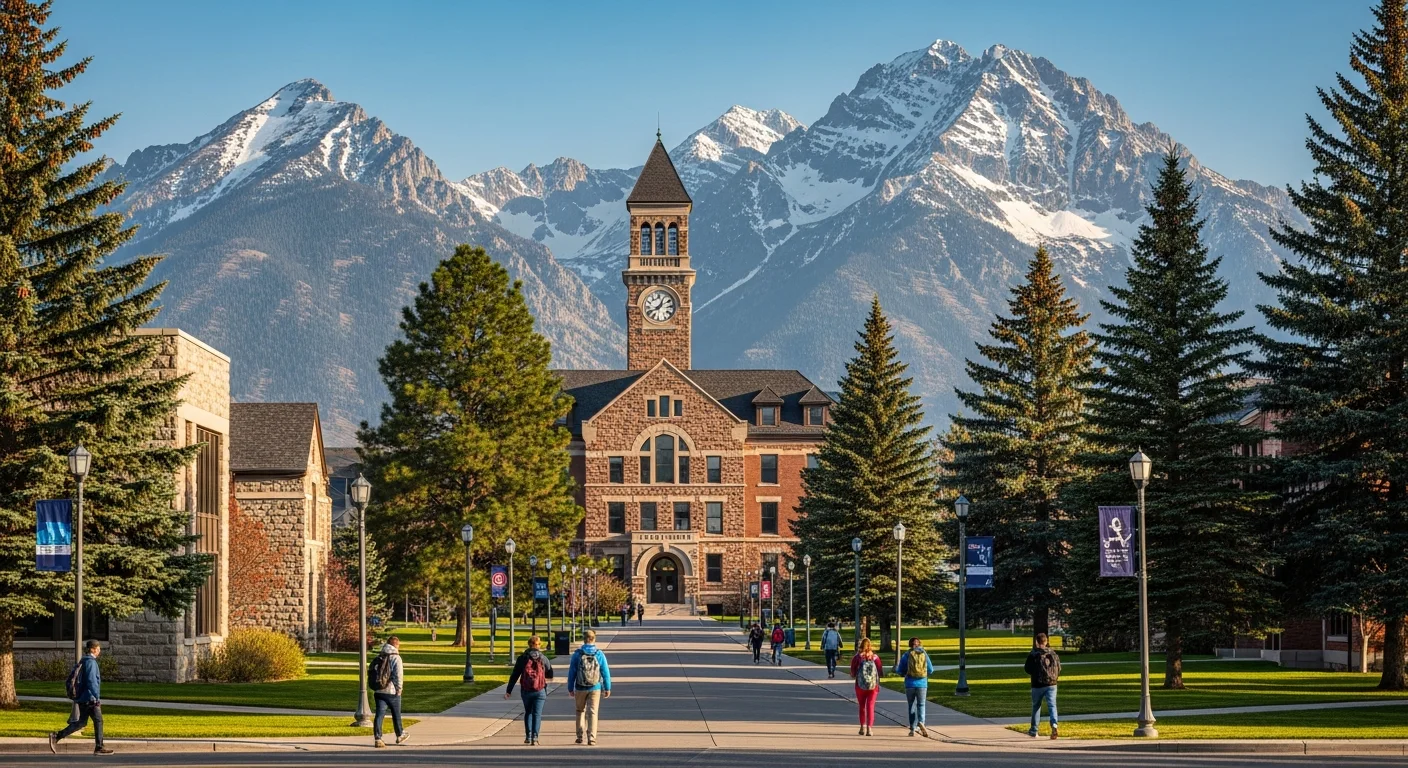

The University of Montana — Missoula, MT

Key Distinction: A software engineering-focused program leveraging Montana's emerging tech ecosystem and project-based learning to produce job-ready graduates with strong local industry connections.

Hakia Insight: The University of Montana's partnership with Missoula's remote-work and startup ecosystem means students build capstone projects with real clients before graduation, creating a portfolio and industry network that replaces the traditional internship pipeline for students who can't relocate.

The Bachelor of Science in Computer Science at the University of Montana develops professionally competent, broadly educated computer scientists prepared for professional careers or graduate studies in research and academia. The program emphasizes computer science fundamentals and their applications across research and education. Students progress through lower-division courses (100-200 level) open on a first-come, first-served basis with prerequisites, then advance to upper-division courses (300+ level) requiring successful prerequisite completion. The curriculum is accredited by the Northwest Commission on Colleges and Universities. The program offers specialization tracks including Algorithm Design, Data Science, Software Engineering, and Computer Science - Mathematical Sciences, allowing students to tailor their education to specific career interests. A Computer Science Minor and Computer Programming Certificate are also available for students seeking focused study.

Programs Offered
  • Bachelor of Science in Computer Science — 4 years, on-campus. BS
Research Labs and Institutes
  • mCyPhI Lab
Career Outcomes

Median Salary: $NaN.

Notable Faculty
  • Doug Brinkerhoff — Glaciology and computational statistics
  • Jesse Johnson — Computational physics
  • Anh Nguyen — Mobile cyber-physical intelligence
  • Lucy Owen — Computational cognitive neuroscience
  • Zedong Peng — Natural language processing for requirements engineering
  • Yolanda Reimer — Computer science education
  • Lucia Williams — Applied algorithms and bioinformatics
Admissions

GPA Requirement: 2.00.

Requirements: Completion of all prerequisite courses with a grade of at least C-, Successful completion of 100- and 200-level coursework, Successful completion of 300-level or above courses, Change of major form submission to department

Accreditations and Certifications
  • ABET

Location Advantages: Proximity to Missoula's growing tech startup communityRegional software development and remote-work companies

University of Providence — Great Falls, MT

Hakia Insight: Insufficient data provided for meaningful insight generation.

Programs Offered
  • Bachelor of Science in Computer Science — 4 years, on-campus
  • Bachelor of Arts in Computer Science — 4 years, online

Location Advantages:

Montana Technological University — Butte, MT

Hakia Insight: Insufficient data provided for meaningful insight generation.

At the bachelor's level, montana State University's Electrical Engineering program is ABET-accredited and offers extensive specialization opportunities in areas like telecommunications, control systems, and power electronics. The program emphasizes practical problem-solving through mandatory capstone design projects where students work in teams on real-world problems.

Programs Offered
  • Bachelor of Science in Computer Science — 4 years, on-campus
  • Bachelor of Arts in Computer Science — 4 years, online
Accreditations and Certifications
  • Engineering Accreditation Commission of ABET

Location Advantages:

Carroll College — Helena, MT

Key Distinction: Early internship placement in machine learning, data science, and forecasting roles. Small class sizes with individualized faculty mentorship

Hakia Insight: Carroll College's early-stage internship model in machine learning and state government projects—enabled by its small class size and Helena location—accelerates students into specialized roles by sophomore year rather than junior year, compressing the path from novice to portfolio-competitive candidate.

Carroll College's Bachelor of Arts in Data Science integrates mathematics, computer science, statistics, and business analytics to prepare students for industry-scale data science roles. The program emphasizes hands-on learning through small class sizes and individualized faculty mentorship. Students develop competencies in data wrangling, visualization, machine learning, and statistical modeling through coursework blending CS, mathematics, and data science. The program highlights early internship placement success, with three students placed in machine learning, data science, and forecasting internships during the first-year pilot. Graduates are prepared for rapidly growing positions including Data Analyst, Business Analyst, Statistician, and Operations Research Analyst roles. According to the content, data scientists earn an average salary of $121,000, and the field is projected to grow by over 25% in coming years, with data scientist jobs having grown 650% since 2012.

Programs Offered
  • Bachelor of Arts in Data Science — 4 years, on-campus. BA
Industry Partners
  • State Government of Montana (employer)
  • Federal Government (employer)
  • Private Sector Companies (employer)
Career Outcomes

Median Salary: $NaN.

Location Advantages: Access to state government technology projects and contractors in HelenaSmall regional business ecosystem open to local college partnerships

Rocky Mountain College — Billings, MT

Hakia Insight: Insufficient data provided for meaningful insight generation.

At the bachelor's level, the program emphasizes both pure and applied mathematics with a curriculum designed to provide solid foundation in mathematical arguments and modern mathematical tools. Most graduates continue to graduate school, with the program specifically stating 'We send our students to graduate school!' as their key differentiator.

Programs Offered
  • Bachelor of Science in Computer Science — 4 years, on-campus
  • Bachelor of Arts in Computer Science — 4 years, online

Location Advantages:

Best Master's Computer Science Degree Programs in Montana

Montana State University — Bozeman, MT

Key Distinction: Thesis vs coursework-only track options. Thesis candidates defend research in public seminar

Hakia Insight: Montana State's guaranteed first-year funding for most incoming graduate students and specialized labs in computational topology and algorithms create a rare scenario where doctoral-track coursework becomes accessible to working professionals who cannot afford unfunded programs.

Montana State University's M.S. in Computer Science offers both thesis and coursework-only tracks to accommodate working professionals. The program requires a minimum of 30 credits beyond the bachelor's degree. Thesis candidates complete 10 credits of thesis work and must defend their research in a public seminar, while coursework-only candidates bypass the comprehensive exam requirement. Core coursework includes advanced algorithms and computability theory. The flexible track options allow students to choose between research-focused (thesis) and practice-focused (coursework) paths based on career goals. For detailed information on part-time scheduling, assistantship opportunities, professional certifications, and industry partnerships, prospective students should consult the department's graduate program website.

Programs Offered
  • M.S. in Computer Science — 1-2 years, on-campus. MS
Research Labs and Institutes
  • The Applied Algorithms Laboratory
  • The Computational Topology and Geometry Group
  • The Harnessing Automation in Cybersecurity Reasoning Laboratory (HACR)
  • The Human Interaction Lab
  • The Numerical Intelligent Systems Laboratory
  • The Software Engineering and Cybersecurity Laboratory (SECL)
Career Outcomes

Median Salary: $NaN.

Notable Faculty
  • Dr. Brittany Terese Fasy — Computational geometry and topology, topological data analysis, road network analysis, algorithms
  • Dr. Brendan Mumey — Computational biology, networks, combinatorial optimization, algorithms
  • Dr. John Sheppard — Probabilistic graphical models, machine learning, ethical and explainable AI, evolutionary and swarm-based algorithms
  • Dr. Laura Stanley — Human computer interaction; virtual and augmented reality; human machine interaction; human robot interaction
  • Dr. Matt Revelle — Computer security, program analysis, binary analysis, machine learning, graph neural networks

Location Advantages: Proximity to federal research facilities and government agenciesRegional concentration of cybersecurity and defense technology employers

The University of Montana — Missoula, MT

Key Distinction: A software engineering-focused program leveraging Montana's emerging tech ecosystem and project-based learning to produce job-ready graduates with strong local industry connections.

Hakia Insight: University of Montana's project-based master's curriculum paired with proximity to Missoula's distributed-work ecosystem means students can build theses on real software systems deployed at active companies, turning academic capstones into production credentials.

At the master's level, montana's computer science program emphasizes practical software engineering and real-world problem-solving through a curriculum built around project-based learning. Students engage with capstone projects that often address needs within the surrounding community and state, giving coursework immediate relevance. The program balances theoretical foundations—algorithms, data structures, systems architecture—with hands-on experience in modern development frameworks and tools. Faculty maintain active connections to industry through consulting and research collaborations, which translates into internship opportunities and mentorship that prepare students for technical roles at companies ranging from startups to established tech firms. The program's location in Missoula has become an emerging tech hub, hosting remote offices and local software companies that actively recruit graduates. Specialization tracks in software engineering and data science allow students to tailor their education to growing job markets. The relatively small cohort size means closer faculty interaction and the ability to shape coursework around individual interests, a significant advantage for students seeking mentored research or specialized guidance.

Programs Offered
  • Master of Science in Computer Science — 1-2 years, on-campus
  • Master of Arts in Computer Science — 1-2 years, online
Research Labs and Institutes
  • mCyPhI Lab
Career Outcomes

Median Salary: $NaN.

Notable Faculty
  • Doug Brinkerhoff — Glaciology and computational statistics
  • Jesse Johnson — Computational physics
  • Anh Nguyen — Mobile cyber-physical intelligence
  • Lucy Owen — Computational cognitive neuroscience
  • Zedong Peng — Natural language processing for requirements engineering
  • Yolanda Reimer — Computer science education
  • Lucia Williams — Applied algorithms and bioinformatics
Admissions

GPA Requirement: 2.00.

Accreditations and Certifications
  • ABET

Location Advantages: Proximity to Missoula's growing tech startup communityRegional software development and remote-work companies

Best Doctoral Computer Science Degree Programs in Montana

Montana State University — Bozeman, MT

Key Distinction: Most incoming graduate students funded with teaching assistantships for at least first year. Presidential and Meritorious Scholarships available

Hakia Insight: Montana State's R1 research designation combined with assured first-year TA funding and three active labs creates an unusual funding certainty—most PhD programs offer conditional support, but MSU's model removes financial risk from enrollment decisions.

The PhD in Computer Science at Montana State University's Gianforte School of Computing offers research opportunities in machine learning, human-robot interaction, and data science at an R1 research institution. Most incoming graduate students receive funding through teaching assistantships for at least their first year, with additional Presidential and Meritorious Scholarships available. The program benefits from a $662,000 NSF grant supporting genetic variation mapping research. Students have access to specialized laboratories including the Software Lab, Applied Algorithms Laboratory, Computation Ecology Group, and Numerical Intelligent Systems Laboratory. Post-graduation, 60% of alumni work in for-profit industry, 33% in academia, and 1.9% in non-profit sectors. Alumni salaries within 10 years range from $70,000 to $150,000 with an average of $95,000. The program does not require GRE scores and follows rolling admissions with a December 15 deadline for funding consideration.

Programs Offered
  • Computer Science - Doctorate of Philosophy — 4-6 years, on-campus. PhD
Research Labs and Institutes
  • The Applied Algorithms Laboratory
  • The Computational Topology and Geometry Group
  • The Harnessing Automation in Cybersecurity Reasoning Laboratory (HACR)
  • The Human Interaction Lab
  • The Numerical Intelligent Systems Laboratory
  • The Software Engineering and Cybersecurity Laboratory (SECL)
Career Outcomes

Median Salary: $NaN.

Notable Faculty
  • Dr. Brittany Terese Fasy — Computational geometry and topology, topological data analysis, road network analysis, algorithms
  • Dr. Brendan Mumey — Computational biology, networks, combinatorial optimization, algorithms
  • Dr. John Sheppard — Probabilistic graphical models, machine learning, ethical and explainable AI, evolutionary and swarm-based algorithms
  • Dr. Laura Stanley — Human computer interaction; virtual and augmented reality; human machine interaction; human robot interaction
  • Dr. Matt Revelle — Computer security, program analysis, binary analysis, machine learning, graph neural networks

Location Advantages: Proximity to federal research facilities and government agenciesRegional concentration of cybersecurity and defense technology employers