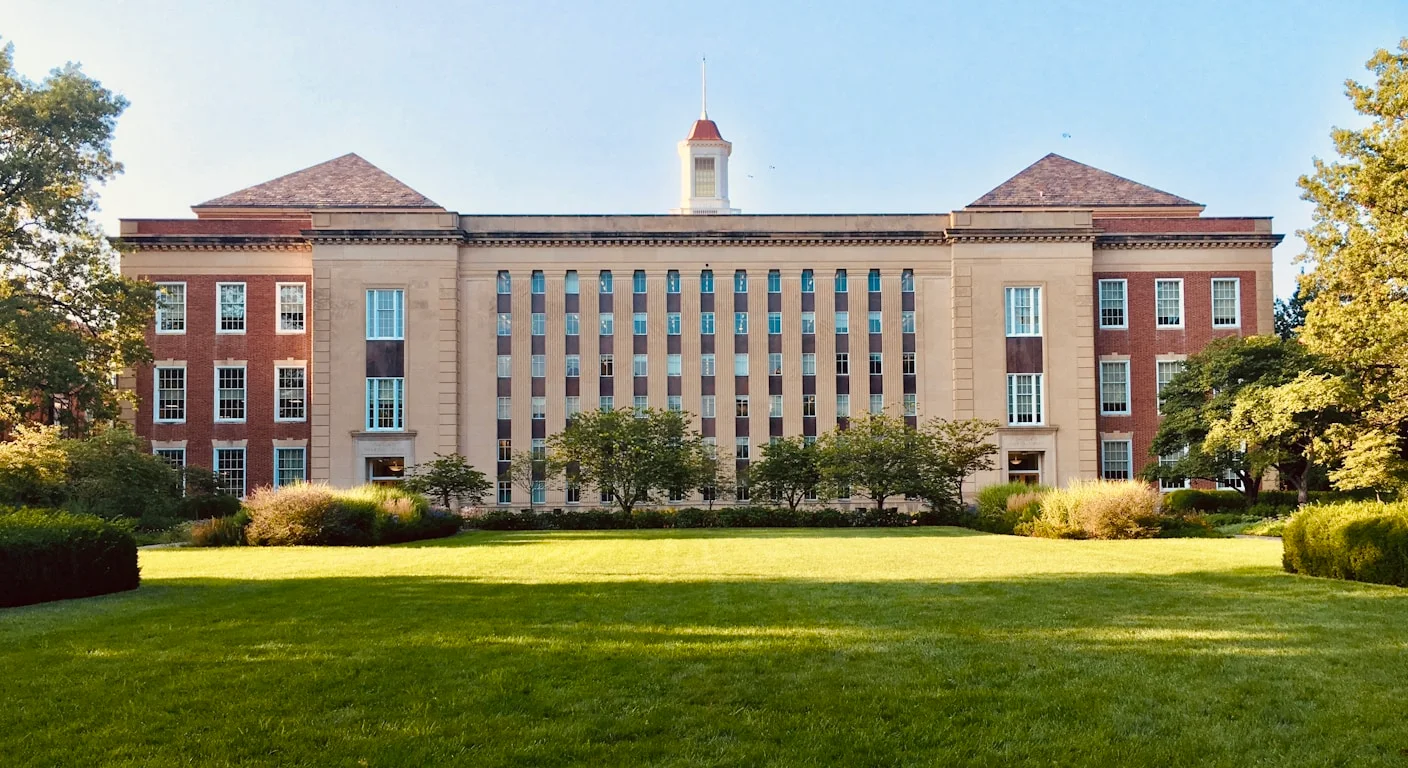
- 1.Total OMSCS cost is under $7,000 for the complete master's degree, compared to $45,000+ for the on-campus equivalent (Georgia Tech, 2026)
- 2.The program has a 74% acceptance rate from approximately 50,000 applicants to date (Wikipedia, 2026)
- 3.Over 13,000 students have graduated from OMSCS since the program launched in 2014 (Georgia Tech, 2026)
- 4.Graduation rate is below 50%, reflecting the genuine rigor of a Georgia Tech CS program (Student Reviews, 2026)
- 5.Graduates receive the identical MS in Computer Science degree as on-campus students with no distinction on the diploma (Georgia Tech, 2026)
<$7,000
Total Degree Cost
74%
Acceptance Rate
13,000+
Total Graduates
$45K+
On-Campus Equivalent
What Is Georgia Tech OMSCS?
The Georgia Tech Online Master of Science in Computer Science (OMSCS) is widely regarded as one of the most transformative programs in higher education. Launched in 2014 in partnership with Udacity and AT&T, it was the first affordable, fully online master's degree from a top-ranked computer science program.
According to Georgia Tech, the program has produced over 13,000 graduates and fundamentally changed the economics of graduate CS education. The degree conferred is identical to the on-campus MS in Computer Science, with no distinction indicating online delivery on the diploma or transcript.
Georgia Tech consistently ranks among the top 10 computer science programs in the United States. The OMSCS program delivers that same academic brand at a fraction of the cost, making it one of the best value propositions in graduate education for professionals looking to advance in software engineering and related fields.
Featured Computer Science Programs
Explore accredited programs in computer science
Sponsored listings from our education partners
Cost Analysis: Under $7,000 for a Top-10 CS Degree
According to Georgia Tech's cost schedule, the total program cost is under $7,000 for the complete master's degree. This figure has recently increased from the original ~$6,600 but remains extraordinarily affordable compared to the on-campus equivalent at $45,000 or more.
The program requires 30 credit hours (10 courses) to complete. Tuition is charged per credit hour, with most students taking one to two courses per semester. There are no out-of-state tuition surcharges, meaning every student in the world pays the same rate regardless of location.
For working professionals comparing the cheapest accredited online colleges, OMSCS stands in a category of its own. No other top-10 CS program offers a master's degree at anywhere near this price point. The nearest competitors charge $20,000-$60,000 for comparable online master's programs.
Source: Georgia Tech, 2026
Admission Requirements and Acceptance Rate
According to Georgia Tech's admission criteria, applicants need a bachelor's degree in computer science or a related field with a minimum 3.0 GPA. The program also considers applicants from non-CS backgrounds who demonstrate sufficient preparation through coursework or professional experience.
The acceptance rate is approximately 74%, drawn from roughly 50,000 applicants since the program's inception according to Wikipedia. This is significantly higher than the on-campus program, which accepts a much smaller percentage. However, the program filters rigorously through coursework rather than admissions.
GRE scores are not required. The application requires transcripts, a resume, a statement of purpose, and three recommendation letters. Applicants without a CS degree should have completed courses in data structures, algorithms, computer organization, and operating systems before applying.
Available Specializations
OMSCS offers four specializations that allow students to tailor the degree to their career goals. Each specialization requires specific core courses plus electives from a defined list:
- Machine Learning is the most popular specialization, covering deep learning, reinforcement learning, and computational learning theory. Ideal for students pursuing machine learning degrees and AI careers
- Computing Systems focuses on advanced operating systems, computer networks, database systems, and software architecture. Best for systems engineers and infrastructure roles
- Interactive Intelligence covers artificial intelligence, knowledge-based AI, machine learning, and human-computer interaction. A strong choice for those interested in AI product development
- Computational Perception and Robotics addresses computer vision, robotics, and computational photography. Suited for students targeting robotics and autonomous systems careers
The Machine Learning specialization is particularly relevant given the explosion in AI/ML job demand. Students interested in this path should also explore our guide to the best AI courses online for supplementary learning resources.
Academic Rigor and Graduation Rate
OMSCS is not an easy degree. The graduation rate falls below 50%, which is a critical data point for prospective students to understand. This is not a credential mill. The coursework is genuinely challenging and mirrors the academic standards of Georgia Tech's on-campus program.
According to student reviews, certain courses are notoriously difficult. Graduate Algorithms, Machine Learning, and Reinforcement Learning require significant time investment, often 15-20+ hours per week per course. Students who underestimate the workload while maintaining full-time employment frequently struggle.
The low graduation rate is partly attributable to the program's accessibility. Because admission is relatively open and the financial commitment is low, some students enroll without fully appreciating the demands of a Georgia Tech graduate program. Those who treat it with the seriousness of an on-campus degree tend to succeed.
Student Experience: What to Expect
Courses are delivered through pre-recorded video lectures on Udacity or Canvas, supplemented by discussion forums, office hours, and peer collaboration. There are no live lectures, which provides maximum scheduling flexibility for working professionals.
According to The Wandering Engineer, the student community is one of the program's strengths. OMSCS students are typically mid-career professionals with years of industry experience, and the peer network and study groups that form are highly valued. Many students report that collaborating with experienced professionals is as valuable as the coursework itself.
Most students take one to two courses per semester while working full-time and complete the degree in two to four years. Taking two courses simultaneously is common but demanding, requiring 30-40 hours per week of study alongside employment. Students exploring online colleges for working adults will find OMSCS among the most flexible options available.
Career Impact and Employer Reception
The Georgia Tech name carries significant weight with employers. According to The Wandering Engineer, OMSCS graduates report that the degree is well-received in hiring processes, with many citing promotions, salary increases, and successful career transitions after completing the program.
Because the diploma does not distinguish between online and on-campus students, OMSCS graduates benefit from the full prestige of a Georgia Tech MS in Computer Science. This is a meaningful distinction compared to many online programs that carry separate branding or accreditation.
The degree is particularly impactful for professionals looking to move into machine learning, AI, or senior software engineering roles where a master's degree opens doors that a bachelor's alone does not. Combined with the Machine Learning specialization, OMSCS provides a strong foundation for AI-focused career paths.
| Factor | Georgia Tech OMSCS | Georgia Tech On-Campus | Typical Online MSCS |
|---|---|---|---|
| Total Cost | Under $7,000 | $45,000+ | $20,000-$60,000 |
| Degree Name | MS in Computer Science | MS in Computer Science | Varies by school |
| Diploma Distinction | None (identical) | N/A | Often noted as online |
| Acceptance Rate | ~74% | ~15-20% | Varies widely |
| Specializations | 4 (ML, Systems, II, CPR) | 10+ | Varies |
| Time to Complete | 2-4 years (part-time) | 1.5-2 years (full-time) | 1.5-3 years |
| Format | Async, self-paced | In-person | Mix of sync/async |
Source: Georgia Tech, Wikipedia, 2026
Programs Near You
Enter your ZIP code to see accredited programs with current tuition rates.
Tips for OMSCS Success
Based on extensive student reviews and outcome data, several strategies consistently correlate with OMSCS success:
- Start with one course per semester until you calibrate the workload against your job and personal commitments
- Take an easier course first such as Software Development Process or Human-Computer Interaction to acclimate to the platform and academic expectations
- Budget 15-20 hours per week per course as a realistic minimum. Some courses require significantly more during project-heavy weeks
- Engage with the community through Slack channels, study groups, and discussion forums. Peer support is critical for persistence
- Plan your specialization early so course selections build toward your target specialization and career goals
The OMSCentral website provides crowd-sourced course reviews with difficulty ratings, workload estimates, and professor evaluations. Consulting these reviews before registration is practically mandatory for informed course selection.
Who Should Apply to OMSCS
OMSCS is best suited for working professionals with a CS or related bachelor's degree who want to earn a prestigious master's degree without leaving their jobs. The program rewards self-discipline, strong foundational CS knowledge, and the ability to manage competing demands over a multi-year timeline.
The program is an excellent fit for:
- Software engineers seeking specialization in ML, AI, or systems to advance into senior or principal roles
- International professionals who want an American top-10 CS credential at an affordable price with no relocation
- Career changers with a CS-adjacent background who need formal CS graduate credentials
- Cost-conscious professionals who refuse to take on $40K-$60K in graduate school debt
Applicants without a CS background should first build foundational knowledge. Our guide to computer science degrees covers prerequisite topics, and the cheapest accredited online colleges guide can help identify affordable undergraduate options to prepare for OMSCS.
Related Articles
Frequently Asked Questions
Sources
Official program page with graduation statistics and program details
Official cost and payment schedule for the OMSCS program
OMSCS acceptance rate and historical enrollment data
Official admission requirements and application details
Comprehensive student review of the OMSCS program experience and career impact

Taylor Rupe
Co-founder & Editor (B.S. Computer Science, Oregon State • B.A. Psychology, University of Washington)
Taylor combines technical expertise in computer science with a deep understanding of human behavior and learning. His dual background drives Hakia's mission: leveraging technology to build authoritative educational resources that help people make better decisions about their academic and career paths.