University campus in Utah
Updated January 2026

Best Software Engineering Degree Programs in Utah — 2026 Rankings

Explore 12 accredited software engineering degree programs in Utah. Compare schools by graduation rate, salary outcomes, and tuition—from Weber State University to Western Governors University.

#1 ProgramWestern Governors
Avg Salary$108,000
Tuition From$5,471/yr
Job Growth+22%

Key Takeaways

Top 3 ranked: Western Governors, Brigham Young, Weber State

Based on graduation rates, program outcomes, and institutional quality

IPEDS 2023

Tuition ranges from $3,778 to $40,896/year

Weber State offers the most affordable option at $5,471/yr

IPEDS 2023

Degree levels: 5 associate's, 5 master's, 2 doctoral programs available in Utah

From community college pathways to advanced research degrees

IPEDS 2023

Utah community college transfer can save 40-60% on total degree costs

5 associate's programs provide transfer pathways to bachelor's degrees

Education Commission of the States

Major employers: Adobe, Qualtrics, Pluralsight, Domo

Tech hubs in Salt Lake City and Provo

Hakia Research 2026

Software Engineering programs available near 28+ cities across Utah

Search by city to find programs within 200 miles of your location

IPEDS 2023

Updated February 2026

On This Page
$108,000
Is Software Engineering in Utah Worth It?
Yes. Software Engineering degrees in Utah deliver strong ROI—graduates earn $108,000 median salary with +22% job growth through 2032. In-state tuition averages $10,540/year.

Source: BLS OEWS May 2024

Best Software Engineering Degree Programs in Utah

Bachelor's Software Engineering Degree Programs in Utah

11 programs$108,000 median salary91% avg grad rate
11
Programs
$108,000
Median Salary
$11,155/yr
Avg Tuition
91%
Avg Grad Rate

Program Landscape

Utah ranks among the nation's top destinations for software engineering education, with 11 accredited bachelor's degree programs across 7 public and 3 private institutions. The highest-ranked programs are Western Governors, Brigham Young, Weber State, recognized for academic excellence, research opportunities, and strong industry connections.

Career Outcomes

Graduates from Utah software engineering programs earn a median salary of $91,800—6% below the national average. The state's robust technology sector, anchored by the Salt Lake City, Provo, Lehi metropolitan areas, provides abundant internship and employment opportunities with companies including Adobe, Qualtrics, Pluralsight.

Costs & Value

Tuition ranges from $4,180 to $40,896 annually, with an average of $11,155/yr. Top programs maintain graduation rates above 91%, with the highest reaching 100%. Many programs hold ABET accreditation, the gold standard for computing education, ensuring curriculum meets rigorous industry standards.

Curriculum & Specializations

Students can choose from specializations including software engineering, cybersecurity, artificial intelligence, data science, and systems architecture. Strong industry partnerships provide access to co-op programs, capstone projects with real companies, and direct recruiting pipelines to Utah's leading technology employers. For students seeking software engineering degrees in Utah, these top-ranked software engineering schools offer the strongest combination of academic rigor and career preparation.

Show:

Earn your bachelor's in Software Engineering

(Sponsored)

Loading programs...

🥇

Western Governors University

Private
Salt Lake City, UT
$7,710
Tuition/yr
75.9
Score
Website
🥈

Brigham Young University

Private
Provo, UT
$6,496
Tuition/yr
91%
Grad Rate
61.3
Score
Website
🥉

Weber State University

Public
Ogden, UT
$5,471
Tuition/yr
92%
Grad Rate
61.2
Score
Website
#4

Utah Valley University

Public
Orem, UT
$5,614
Tuition/yr
92%
Grad Rate
60.8
Score
Website
#5

University of Utah

Public
Salt Lake City, UT
$8,175
Tuition/yr
72%
Grad Rate
52.6
Score
Website
#6

Snow College

Public
Ephraim, UT
$4,180
Tuition/yr
100%
Grad Rate
51.8
Score
Website
#7

Neumont College of Computer Science

For-Profit
Salt Lake City, UT
$25,500
Tuition/yr
97%
Grad Rate
46.7
Score
Website
#8

Utah State University

Public
Logan, UT
$7,387
Tuition/yr
100%
Grad Rate
44.7
Score
Website
#9

Southern Utah University

Public
Cedar City, UT
$6,006
Tuition/yr
86%
Grad Rate
43.2
Score
Website
#10

Utah Tech University

Public
Saint George, UT
$5,266
Tuition/yr
42.2
Score
Website

Complete Software Engineering Degree Program Rankings in Utah

Best Associate's Software Engineering Degree Programs in Utah

### Program Landscape Utah offers **5 accredited** associate's degree programs in software engineering, providing an affordable entry point into the technology field. The top-ranked programs include **Weber State**, **Utah Valley**, **Snow College**, which combine rigorous technical curriculum with practical skills training. ### Costs & Value Community colleges in Utah offer these two-year programs at an average cost of **$8,909/yr**—significantly less than four-year university tuition. Students completing associate's degrees can pursue entry-level technical positions and transfer opportunities, with entry-level salaries averaging **$59,400** in Utah. ### Career Pathways Many programs feature guaranteed transfer agreements with Utah's public universities, allowing students to complete their first two years at reduced cost before transferring to complete a bachelor's degree. The Salt Lake City, Provo, Lehi areas offer particularly strong job markets for associate's degree holders, with employers like Adobe, Qualtrics, Pluralsight hiring for technical support, junior development, and IT specialist positions. ### Curriculum & Specializations Programs typically include coursework in programming fundamentals, database management, networking basics, and software development. Among software engineering schools in Utah, these associate's programs offer the best value for students beginning their software engineering degrees in Utah.

  1. #1. Weber State University

    Hakia ranks Weber State University as the #1 associate's in software engineering degree program in Utah. This public institution in Ogden, UT has annual tuition of $5,471 and a 92% graduation rate. Ranking score: 61.2.

  2. #2. Utah Valley University

    Hakia ranks Utah Valley University as the #2 associate's in software engineering degree program in Utah. This public institution in Orem, UT has annual tuition of $5,614 and a 92% graduation rate. Ranking score: 52.4.

  3. #3. Snow College

    Hakia ranks Snow College as the #3 associate's in software engineering degree program in Utah. This public institution in Ephraim, UT has annual tuition of $4,180 and a 100% graduation rate. Ranking score: 53.5.

  4. #4. Salt Lake Community College

    Hakia ranks Salt Lake Community College as the #4 associate's in software engineering degree program in Utah. This public institution in Salt Lake City, UT has annual tuition of $3,778. Ranking score: 33.7.

  5. #5. Neumont College of Computer Science

    Hakia ranks Neumont College of Computer Science as the #5 associate's in software engineering degree program in Utah. This for-profit institution in Salt Lake City, UT has annual tuition of $25,500 and a 97% graduation rate. Ranking score: 44.1.

Best Bachelor's Software Engineering Degree Programs in Utah

### Program Landscape Utah ranks among the nation's top destinations for software engineering education, with **11 accredited** bachelor's degree programs across **7 public** and **3 private** institutions. The highest-ranked programs are **Western Governors**, **Brigham Young**, **Weber State**, recognized for academic excellence, research opportunities, and strong industry connections. ### Career Outcomes Graduates from Utah software engineering programs earn a median salary of **$91,800**—6% below the national average. The state's robust technology sector, anchored by the Salt Lake City, Provo, Lehi metropolitan areas, provides abundant internship and employment opportunities with companies including Adobe, Qualtrics, Pluralsight. ### Costs & Value Tuition ranges from **$4,180** to **$40,896** annually, with an average of **$11,155/yr**. Top programs maintain graduation rates above **91%**, with the highest reaching **100%**. Many programs hold ABET accreditation, the gold standard for computing education, ensuring curriculum meets rigorous industry standards. ### Curriculum & Specializations Students can choose from specializations including software engineering, cybersecurity, artificial intelligence, data science, and systems architecture. Strong industry partnerships provide access to co-op programs, capstone projects with real companies, and direct recruiting pipelines to Utah's leading technology employers. For students seeking software engineering degrees in Utah, these top-ranked software engineering schools offer the strongest combination of academic rigor and career preparation.

  1. #1. Western Governors University

    Hakia ranks Western Governors University as the #1 bachelor's in software engineering degree program in Utah. This private institution in Salt Lake City, UT has annual tuition of $7,710. Ranking score: 75.9.

  2. #2. Brigham Young University

    Hakia ranks Brigham Young University as the #2 bachelor's in software engineering degree program in Utah. This private institution in Provo, UT has annual tuition of $6,496 and a 91% graduation rate. Ranking score: 61.3.

  3. #3. Weber State University

    Hakia ranks Weber State University as the #3 bachelor's in software engineering degree program in Utah. This public institution in Ogden, UT has annual tuition of $5,471 and a 92% graduation rate. Ranking score: 61.2.

  4. #4. Utah Valley University

    Hakia ranks Utah Valley University as the #4 bachelor's in software engineering degree program in Utah. This public institution in Orem, UT has annual tuition of $5,614 and a 92% graduation rate. Ranking score: 60.8.

  5. #5. University of Utah

    Hakia ranks University of Utah as the #5 bachelor's in software engineering degree program in Utah. This public institution in Salt Lake City, UT has annual tuition of $8,175 and a 72% graduation rate. Ranking score: 52.6.

  6. #6. Snow College

    Hakia ranks Snow College as the #6 bachelor's in software engineering degree program in Utah. This public institution in Ephraim, UT has annual tuition of $4,180 and a 100% graduation rate. Ranking score: 51.8.

  7. #7. Neumont College of Computer Science

    Hakia ranks Neumont College of Computer Science as the #7 bachelor's in software engineering degree program in Utah. This for-profit institution in Salt Lake City, UT has annual tuition of $25,500 and a 97% graduation rate. Ranking score: 46.7.

  8. #8. Utah State University

    Hakia ranks Utah State University as the #8 bachelor's in software engineering degree program in Utah. This public institution in Logan, UT has annual tuition of $7,387 and a 100% graduation rate. Ranking score: 44.7.

  9. #9. Southern Utah University

    Hakia ranks Southern Utah University as the #9 bachelor's in software engineering degree program in Utah. This public institution in Cedar City, UT has annual tuition of $6,006 and a 86% graduation rate. Ranking score: 43.2.

  10. #10. Utah Tech University

    Hakia ranks Utah Tech University as the #10 bachelor's in software engineering degree program in Utah. This public institution in Saint George, UT has annual tuition of $5,266. Ranking score: 42.2.

  11. #11. Westminster University

    Hakia ranks Westminster University as the #11 bachelor's in software engineering degree program in Utah. This private institution in Salt Lake City, UT has annual tuition of $40,896. Ranking score: 36.2.

Best Master's Software Engineering Degree Programs in Utah

### Program Landscape Utah offers **5** master's degree programs in software engineering, designed for professionals seeking to advance into senior engineering, technical leadership, and specialized roles. The top programs—**U of Utah**, **Weber State**, **Brigham Young**—combine advanced technical training with research opportunities and leadership development. ### Career Outcomes Master's graduates in Utah earn a median salary of **$108,000**, approximately **20-30% higher** than bachelor's degree holders. The concentration of technology companies in Salt Lake City, Provo, Lehi creates strong demand for graduate-level talent, with Adobe, Qualtrics, Pluralsight actively recruiting from these programs. ### Costs & Value Program formats include traditional full-time study (typically 2 years), part-time options for working professionals (2-3 years), and accelerated tracks. Tuition averages **$6,629/yr**, with many employers offering tuition reimbursement for graduate education. Some programs offer thesis and non-thesis tracks, allowing students to focus on research or professional development based on their career goals. ### Curriculum & Specializations Curriculum covers advanced topics including machine learning, distributed systems, software architecture, and technical management. Many programs include practicum experiences, industry capstone projects, or consulting engagements that provide real-world application of advanced concepts. Among Utah's software engineering schools at the graduate level, these programs stand out for both academic quality and career outcomes.

  1. #1. University of Utah

    Hakia ranks University of Utah as the #1 master's in software engineering degree program in Utah. This public institution in Salt Lake City, UT has annual tuition of $8,175 and a 72% graduation rate. Ranking score: 77.9.

  2. #2. Weber State University

    Hakia ranks Weber State University as the #2 master's in software engineering degree program in Utah. This public institution in Ogden, UT has annual tuition of $5,471 and a 92% graduation rate. Ranking score: 65.1.

  3. #3. Brigham Young University

    Hakia ranks Brigham Young University as the #3 master's in software engineering degree program in Utah. This private institution in Provo, UT has annual tuition of $6,496 and a 91% graduation rate. Ranking score: 64.7.

  4. #4. Utah Valley University

    Hakia ranks Utah Valley University as the #4 master's in software engineering degree program in Utah. This public institution in Orem, UT has annual tuition of $5,614 and a 92% graduation rate. Ranking score: 62.1.

  5. #5. Utah State University

    Hakia ranks Utah State University as the #5 master's in software engineering degree program in Utah. This public institution in Logan, UT has annual tuition of $7,387 and a 100% graduation rate. Ranking score: 43.3.

Best Doctoral Software Engineering Degree Programs in Utah

### Program Landscape Utah is home to **2** doctoral programs in software engineering, preparing students for research positions, faculty appointments, and executive technical roles. Leading programs at **U of Utah**, **Brigham Young** are recognized for cutting-edge research, strong faculty publications, and competitive funding packages. ### Career Outcomes Doctoral graduates command premium salaries, with Utah PhD holders earning a median of **$135,000**—reflecting the advanced expertise required for research and executive positions. The Salt Lake City, Provo, Lehi region's research universities and corporate R&D centers provide extensive collaboration opportunities with industry leaders like Adobe, Qualtrics, Pluralsight. ### Costs & Value PhD programs typically require 4-6 years of full-time study, including coursework, qualifying examinations, and original dissertation research. Many programs offer full funding through teaching or research assistantships, covering tuition and providing stipends of **$25,000–$40,000** annually. ### Curriculum & Specializations Research strengths across Utah programs include artificial intelligence, cybersecurity, human-computer interaction, systems, and theoretical computer science. For aspiring researchers pursuing software engineering degrees in Utah, graduates go on to careers as university faculty, industry research scientists, or technical executives, contributing to advances in technology that impact millions of users worldwide.

  1. #1. University of Utah

    Hakia ranks University of Utah as the #1 doctoral in software engineering degree program in Utah. This public institution in Salt Lake City, UT has annual tuition of $8,175 and a 72% graduation rate. Ranking score: 38.2.

  2. #2. Brigham Young University

    Hakia ranks Brigham Young University as the #2 doctoral in software engineering degree program in Utah. This private institution in Provo, UT has annual tuition of $6,496 and a 91% graduation rate. Ranking score: 45.4.

Software Engineering Tuition in Utah

MetricValue
Average in-state tuition$10,540/year
Average out-of-state tuition$26,350/year
Community college tuition$2,635/year
4-year savings for residents$63,240
2+2 transfer pathway savings$15,810

Source: IPEDS 2023

Software Engineering Financial Aid & Scholarships in Utah

State Aid Programs

Utah residents pursuing software engineering degrees have access to multiple financial aid pathways designed to make higher education affordable. The Utah Opportunity Scholarship (https://ushe.edu/) provides both need-based and merit-based awards specifically for Utah residents attending institutions within the Utah System of Higher Education. This state-funded program complements federal aid options, helping students bridge the gap between tuition costs and their ability to pay. Additionally, all students are encouraged to complete the Free Application for Federal Student Aid (FAFSA) through Federal Student Aid (https://studentaid.gov/), which determines eligibility for federal grants, loans, and work-study opportunities regardless of state residency.

Key Programs & Amounts

Beyond state and federal programs, many Utah institutions offer institutional scholarships and merit-based awards specifically for software engineering majors. The Utah System of Higher Education coordinates these efforts to ensure transparent financial planning. Students should explore options at their chosen institution, whether attending a four-year university or beginning at one of Utah's community colleges. For comprehensive financial aid information and planning tools, the College Scorecard (https://collegescorecard.ed.gov/) provides detailed institutional data including average aid packages and net price calculators. Prospective students can also reference transfer guides available through the Utah System of Higher Education to understand how financial aid transfers when moving from two-year to four-year programs. Learn more about related programs like Computer Science in Utah (/degrees/computer-science/utah/) to explore additional pathways and funding opportunities in the technology field.

Calculate Your Software Engineering Degree ROI in Utah

Use our interactive ROI calculator to estimate your return on investment for a software engineering degree in Utah. Enter your expected tuition costs, financial aid, and career goals to see projected payback periods and lifetime earnings. The calculator uses current salary data from BLS and tuition data from IPEDS to provide accurate estimates.

Software Engineering Degree ROI Calculator
Estimate your return on investment for a software engineering degree
$

Leave blank to use average cost for selected program type

20 years
10 years20 years30 years
20-Year ROI

+907%

Net gain divided by total investment. ROI above 200% is considered excellent for education investments.

Net Gain

$1,677,254

Your additional lifetime earnings with this degree vs. working without one, minus the total investment.

Break-Even

5 years

Years until your cumulative earnings exceed total investment. Shorter programs often break even faster due to lower opportunity cost.

COL-Adjusted Salary

$133,333

Your starting salary adjusted for local cost of living. This shows real purchasing power compared to a $100K national baseline.

Why does break-even change with program type? Your "total investment" includes both tuition AND opportunity cost (foregone earnings while in school). A 4-year full-time public university (in-state) means 4 years of not earning a salary ($140,000 in opportunity cost). Shorter full-time programs may have higher tuition but lower total investment because you return to the workforce sooner.

Detailed Breakdown
How we calculate your degree ROI using real salary data
Total Investment$185,000

Tuition plus opportunity cost (earnings you miss while in school)

Program Cost (Tuition)$45,000

Direct cost of the degree program

Opportunity Cost$140,000

4 years × $35K/year foregone salary while studying full-time

20-Year Earnings (with degree)$2,712,662

Projected career earnings starting after graduation, with salary growth

20-Year Earnings (without degree)$850,408

What you'd earn working at $35K/year with 2% annual growth

Starting Salary (Austin, TX)$140,000

Median salary for this role in your selected location (BLS 2024)

Annualized Return4.9%

Your investment's compound annual growth rate (similar to stock market returns)

Data sources: BLS OEWS May 2024, IPEDS 2023. Calculations use median salaries, 3% discount rate, and assume salary growth declines from 6% to 2% over career. Individual results will vary. | Powered by Hakia.com

Career Paths

Design and develop software applications and systems

Median Salary:$122,040

Analyze complex datasets and build predictive models

Median Salary:$101,520

Protect computer networks from cyber threats

Median Salary:$113,400

Manage cloud infrastructure and deployment pipelines

Median Salary:$119,880

Design and maintain cloud computing infrastructure

Median Salary:$116,640

Build and deploy machine learning models

Median Salary:$136,080
Software Engineering Salaries by Metro Area

Median annual salary in Utah metro areas

Hakia.com
View data table
Categoryvalue
Salt Lake City$119K
Provo$113K
Lehi$108K

Source: BLS OEWS May 2024

Hakia.com

Software Engineering Jobs in Utah: Top Employers Hiring

Find software engineering jobs in Utah. These major employers across Utah metro areas are actively hiring software engineering graduates. Click employer names to view current job openings.

Software Engineering Jobs in Salt Lake City

UT
Adobe
tech
Goldman Sachs
finance
Pluralsight
edtech
Overstock.com
ecommerce

Software Engineering Jobs in Provo

UT
Qualtrics
tech
Vivint
iot
Ancestry.com
tech

Software Engineering Jobs in Lehi

UT
Domo
tech
MX Technologies
fintech
Podium
tech

How to Apply to Software Engineering Programs in Utah

1

Research Program Requirements

Review admission requirements for software engineering programs at your target schools. Requirements vary by institution and degree level.

2

Prepare Application Materials

Gather transcripts, test scores (SAT/ACT for undergrad, GRE for graduate), letters of recommendation, and personal statement.

3

Apply for Financial Aid

Complete the FAFSA by priority deadlines.

4

Submit Applications Before Deadlines

Apply early for priority consideration. Early action/decision deadlines are typically October-November; regular deadlines December-January.

5

Complete Enrollment Steps

Accept your offer, submit enrollment deposit, complete orientation requirements, and register for classes.

Software Engineering Transfer Pathways in Utah

State Transfer System

Utah's higher education system is designed to facilitate seamless transfer pathways for software engineering students. The Utah Transfer Guides provides major-specific articulation agreements that enable students to complete their first two years at one of Utah's 5 two-year institutions—such as Weber State University, Salt Lake Community College, or Utah Valley University—and transfer their credits directly to 21 four-year institutions without loss of progress. This system is particularly valuable given that 7 institutions offer associate's degrees in software engineering with 200 completions annually. Associate's degree holders benefit from guaranteed admission pathways and course equivalencies, allowing them to build foundational skills affordably before advancing to bachelor's programs at universities like Brigham Young University or University of Utah.

How Transfers Work

The Utah Transfer Guides framework streamlines the transition from associate's to bachelor's degree programs through established articulation agreements and clear course mapping. Students completing software engineering associate's degrees at institutions ranked in the state's top five—including Weber State University ($5,471 tuition), Snow College ($4,180 tuition), and Utah Valley University ($5,614 tuition)—can advance with junior-level standing to bachelor's programs. This cost-effective pathway allows students to complete two years at most affordable programs before enrolling at research-intensive universities. Additionally, the Utah Opportunity Scholarship supports transfer students with continued financial aid eligibility. For comprehensive transfer planning, students should consult Utah System of Higher Education resources and work with community college advisors to ensure alignment with bachelor's degree requirements at their target four-year institution.

Why Study Software Engineering in Utah?

Industry & Workforce

Utah has emerged as a thriving hub for software engineering education and employment. The state hosts 26 institutions offering software engineering programs across multiple degree levels, with 2,423 bachelor's degree completions annually (IPEDS). Top-ranked institutions like Brigham Young University, University of Utah, and Weber State University provide world-class education with strong industry connections. Utah's tech ecosystem is anchored by major employers including Goldman Sachs, Adobe, and Intermountain Healthcare, creating abundant career opportunities for graduates in Salt Lake City, Provo-Orem, and Ogden-Clearfield metropolitan areas.

Salary Outlook

The state's public four-year institutions offer exceptional value, with average in-state tuition of just $6,014 compared to the national landscape (IPEDS). Utah's affordability extends beyond tuition—students can access the Utah Opportunity Scholarship, which provides need- and merit-based awards for state residents. When combined with federal aid options available through StudentAid.gov, Utah programs deliver quality education at competitive costs. Whether pursuing an associate's, bachelor's, master's, or doctoral degree, students benefit from Utah's robust higher education infrastructure, diverse program options, and proximity to thriving tech corridors. For those comparing educational investments, Utah's combination of affordability and employer demand makes it an excellent choice for aspiring software engineers.

Software Engineering Job Market in Utah

Employment Outlook

Utah's software engineering job market is experiencing robust growth, driven by a thriving tech ecosystem across multiple metropolitan regions. The state produces 2,423 bachelor's degree completions annually in software engineering, supplemented by 147 master's completions and 200 associate's completions, creating a steady pipeline of skilled professionals (IPEDS). Major hiring centers include the Salt Lake City, Provo-Orem, and Ogden-Clearfield metropolitan areas, which collectively represent the state's strongest employment opportunities for software engineers. Current salary data and occupational trends can be explored through the Bureau of Labor Statistics' Utah occupational data, which tracks real-time employment figures and wage information for the state.

Salaries by Metro

The software engineering field in Utah benefits from both established tech companies and emerging startups establishing operations in the state's major cities: Salt Lake City, West Valley City, Provo, West Jordan, Orem, Sandy, Ogden, and St. George. Entry-level positions and internship opportunities are particularly abundant in the Salt Lake Valley and Utah County regions, where major employers maintain significant operations. Students pursuing software engineering degrees at top Utah bachelor's programs gain access to direct employment pipelines, particularly through partnerships with regional tech leaders. For broader context on national opportunities, prospective students can review national best bachelor's software engineering programs and most affordable software engineering programs nationwide.

Software Engineering Curriculum & Specializations in Utah

Core Requirements

Software engineering curricula in Utah are designed to equip students with both theoretical foundations and practical skills demanded by industry. Core coursework typically includes programming fundamentals, data structures, algorithms, software design patterns, and software testing methodologies. Advanced courses cover areas such as software architecture, database systems, and web application development. Many programs integrate capstone projects and internship experiences that connect students with real-world problems. Utah's top-ranked programs, including those at Brigham Young University and University of Utah, emphasize hands-on learning through laboratories and collaborative projects. Explore related specialized programs such as Web Development in Utah and Mobile Development in Utah to understand complementary career paths.

Degree Pathways

Beyond core technical courses, software engineering programs in Utah increasingly include specializations in emerging domains such as cloud computing, artificial intelligence, cybersecurity, and DevOps practices. Master's-level programs often require thesis or capstone projects demonstrating advanced research capabilities. Utah's proximity to major employers like Goldman Sachs and Adobe creates unique opportunities for industry partnerships and guest lectures. Students can also explore broader computing fields through Computer Science in Utah and Computer Programming in Utah programs. Accreditation standards, verified through ABET, ensure that curricula meet rigorous quality benchmarks and prepare graduates for licensure and professional advancement in the evolving software engineering landscape.

Online vs On-Campus Software Engineering Programs in Utah

Online Program Growth

Utah offers diverse delivery options for software engineering education, accommodating different learning preferences and life circumstances. Western Governors University stands out as a leader in online software engineering education, with 1,519 completions representing the largest number of graduates in the state (IPEDS). This institution specializes in flexible, competency-based online programs that allow working professionals and non-traditional students to earn degrees at their own pace. Campus-based programs at traditional institutions like Brigham Young University, University of Utah, and Weber State University provide in-person instruction, hands-on lab work, and direct faculty mentorship—advantages particularly valuable for software engineering coursework involving collaborative development projects and real-time coding workshops.

Accredited Online Options

The choice between online and campus formats depends on individual circumstances, learning style, and career goals. Online programs excel for geographic flexibility and schedule accommodation, while campus-based options provide networking opportunities, internship connections, and immersive learning environments. Many institutions now offer hybrid models combining online coursework with periodic on-campus intensives or laboratory components. For those beginning their software engineering journey, Utah's community colleges provide accessible campus-based entry points, with transfer guides from the Utah System of Higher Education (https://ushe.edu/) smoothing the path to bachelor's degrees. To explore best national online programs for broader context, visit National Online Software Engineering Programs. For additional perspectives on delivery formats, compare options in related fields like Mobile Development in Utah and Computer Science in Utah, which offer similar format diversity.

Software Engineering by City in Utah

The Salt Lake City metropolitan area stands as Utah's premier destination for software engineering professionals, offering the highest concentration of major employers and the strongest job market. The city hosts significant operations from Goldman Sachs, Adobe, and University of Utah, alongside numerous mid-size and startup tech companies. The Provo-Orem region, centered around Brigham Young University, represents a secondary but equally vibrant tech hub with strong demand for software engineers. West Jordan, Orem, Sandy, and surrounding communities in the Salt Lake Valley provide additional employment opportunities with lower cost-of-living compared to Salt Lake City proper. The Ogden-Clearfield metropolitan area in northern Utah, anchored by Weber State University, offers emerging opportunities for software engineers seeking smaller-market environments.

Students selecting software engineering programs should consider proximity to major metropolitan regions and their associated employers. The University of Utah and University of Utah master's program are ideally positioned in Salt Lake City, while Brigham Young University and Utah Valley University serve the Provo-Orem corridor. Weber State University provides strong program options in the Ogden region, and Utah State University serves northern Utah from Logan. Additional specialization paths are available through computer science programs, web development training, and mobile development programs distributed across these metro areas. For comprehensive career and salary outcomes by location, review data on the College Scorecard.

Compare Online Software Engineering Programs in Utah

View tuition costs, program formats & enrollment info

Find Software Engineering Programs Near You in Utah

Search by city to find accredited software engineering programs ranked by our state methodology.

Software Engineering Degree Programs by City in Utah

Software Engineering Degree Programs Near Salt Lake City, Utah

As Utah's capital and tech hub, Salt Lake City hosts major software engineering operations for Adobe, Goldman Sachs, and dozens of SaaS startups, alongside the University of Utah's computer science program. The city's downtown tech corridor offers competitive salaries and dense networking opportunities for software engineers, DevOps specialists, and QA leads working on enterprise platforms and cloud infrastructure.

Salt Lake City is located in Salt Lake County, Utah.

Associate's Software Engineering Degree Programs Near Salt Lake City, Utah
  1. Weber State University (Public) — State #1, 32.1 mi from Salt Lake City. Tuition: $5,471/year. Graduation rate: 92%.
  2. Salt Lake Community College (Public) — State #2, in Salt Lake City. Tuition: $3,778/year.
  3. Utah Valley University (Public) — State #3, 32.2 mi from Salt Lake City. Tuition: $5,614/year. Graduation rate: 92%.
Bachelor's Software Engineering Degree Programs Near Salt Lake City, Utah
  1. Brigham Young University (Private) — State #1, 35.3 mi from Salt Lake City. Tuition: $6,496/year. Graduation rate: 91%.
  2. Utah State University (Public) — State #2, 69.9 mi from Salt Lake City. Tuition: $7,387/year. Graduation rate: 100%.
  3. University of Utah (Public) — State #3, in Salt Lake City. Tuition: $8,175/year. Graduation rate: 72%.
Master's Software Engineering Degree Programs Near Salt Lake City, Utah
  1. University of Utah (Public) — State #1, in Salt Lake City. Tuition: $8,175/year. Graduation rate: 72%.
  2. Brigham Young University (Private) — State #2, 35.3 mi from Salt Lake City. Tuition: $6,496/year. Graduation rate: 91%.
  3. Utah State University (Public) — State #3, 69.9 mi from Salt Lake City. Tuition: $7,387/year. Graduation rate: 100%.
Doctoral Software Engineering Degree Programs Near Salt Lake City, Utah
  1. Brigham Young University (Private) — State #1, 35.3 mi from Salt Lake City. Tuition: $6,496/year. Graduation rate: 91%.
  2. University of Utah (Public) — State #2, in Salt Lake City. Tuition: $8,175/year. Graduation rate: 72%.
  3. Utah State University (Public) — State #3, 69.9 mi from Salt Lake City. Tuition: $7,387/year. Graduation rate: 100%.

Software Engineering Degree Programs Near Provo, Utah

Brigham Young University's computer science program fuels a robust software engineering ecosystem in Provo, home to product companies like Qualtrics and a thriving startup scene of venture-backed SaaS firms. Fresh graduates and experienced engineers benefit from proximity to both BYU recruiting pipelines and Utah Valley's lower cost of living compared to Salt Lake City.

Provo is located in Utah County, Utah.

Associate's Software Engineering Degree Programs Near Provo, Utah
  1. Weber State University (Public) — State #1, 67.4 mi from Provo. Tuition: $5,471/year. Graduation rate: 92%.
  2. Salt Lake Community College (Public) — State #2, 33.2 mi from Provo. Tuition: $3,778/year.
  3. Utah Valley University (Public) — State #3, 4 mi from Provo. Tuition: $5,614/year. Graduation rate: 92%.
Bachelor's Software Engineering Degree Programs Near Provo, Utah
  1. Brigham Young University (Private) — State #1, in Provo. Tuition: $6,496/year. Graduation rate: 91%.
  2. Utah State University (Public) — State #2, 103.9 mi from Provo. Tuition: $7,387/year. Graduation rate: 100%.
  3. University of Utah (Public) — State #3, 37.3 mi from Provo. Tuition: $8,175/year. Graduation rate: 72%.
Master's Software Engineering Degree Programs Near Provo, Utah
  1. University of Utah (Public) — State #1, 37.3 mi from Provo. Tuition: $8,175/year. Graduation rate: 72%.
  2. Brigham Young University (Private) — State #2, in Provo. Tuition: $6,496/year. Graduation rate: 91%.
  3. Utah State University (Public) — State #3, 103.9 mi from Provo. Tuition: $7,387/year. Graduation rate: 100%.
Doctoral Software Engineering Degree Programs Near Provo, Utah
  1. Brigham Young University (Private) — State #1, in Provo. Tuition: $6,496/year. Graduation rate: 91%.
  2. University of Utah (Public) — State #2, 37.3 mi from Provo. Tuition: $8,175/year. Graduation rate: 72%.
  3. Utah State University (Public) — State #3, 103.9 mi from Provo. Tuition: $7,387/year. Graduation rate: 100%.

Software Engineering Degree Programs Near Saint George, Utah

This small southern Utah city (population ~80,000) lacks a major tech hub but offers remote-first opportunities for software engineers seeking affordable living and outdoor recreation, with reliable broadband access supporting distributed work for Salt Lake City and nationwide tech firms. Nearest significant tech employment is 3+ hours north in Salt Lake City.

Saint George is located in Washington County, Utah.

Associate's Software Engineering Degree Programs Near Saint George, Utah
  1. Snow College (Public) — State #4, 190.2 mi from Saint George. Tuition: $4,180/year. Graduation rate: 100%.
Bachelor's Software Engineering Degree Programs Near Saint George, Utah
  1. Southern Utah University (Public) — State #7, 48.7 mi from Saint George. Tuition: $6,006/year. Graduation rate: 86%.
  2. Snow College (Public) — State #8, 190.2 mi from Saint George. Tuition: $4,180/year. Graduation rate: 100%.
  3. Utah Tech University (Public) — State #9, in Saint George. Tuition: $5,266/year.

Software Engineering Degree Programs Near Logan, Utah

Utah State University's computer science and engineering programs anchor Logan's modest tech community, primarily serving regional employers and offering entry-level opportunities for software engineers in enterprise and government contracting roles. The city's remote work accessibility allows engineers to work for Salt Lake City-based firms while enjoying a smaller-town environment.

Logan is located in Cache County, Utah.

Associate's Software Engineering Degree Programs Near Logan, Utah
  1. Weber State University (Public) — State #1, 39 mi from Logan. Tuition: $5,471/year. Graduation rate: 92%.
  2. Salt Lake Community College (Public) — State #2, 74.8 mi from Logan. Tuition: $3,778/year.
  3. Utah Valley University (Public) — State #3, 101.7 mi from Logan. Tuition: $5,614/year. Graduation rate: 92%.
Bachelor's Software Engineering Degree Programs Near Logan, Utah
  1. Brigham Young University (Private) — State #1, 104.1 mi from Logan. Tuition: $6,496/year. Graduation rate: 91%.
  2. Utah State University (Public) — State #2, in Logan. Tuition: $7,387/year. Graduation rate: 100%.
  3. University of Utah (Public) — State #3, 68.3 mi from Logan. Tuition: $8,175/year. Graduation rate: 72%.
Master's Software Engineering Degree Programs Near Logan, Utah
  1. University of Utah (Public) — State #1, 68.3 mi from Logan. Tuition: $8,175/year. Graduation rate: 72%.
  2. Brigham Young University (Private) — State #2, 104.1 mi from Logan. Tuition: $6,496/year. Graduation rate: 91%.
  3. Utah State University (Public) — State #3, in Logan. Tuition: $7,387/year. Graduation rate: 100%.
Doctoral Software Engineering Degree Programs Near Logan, Utah
  1. Brigham Young University (Private) — State #1, 104.1 mi from Logan. Tuition: $6,496/year. Graduation rate: 91%.
  2. University of Utah (Public) — State #2, 68.3 mi from Logan. Tuition: $8,175/year. Graduation rate: 72%.
  3. Utah State University (Public) — State #3, in Logan. Tuition: $7,387/year. Graduation rate: 100%.

Software Engineering Degree Programs Near Cedar City, Utah

Cedar City (population ~35,000) is a rural mountain community without a concentrated software engineering sector; engineers here typically work remotely for companies headquartered in Salt Lake City, Provo, or nationwide tech firms. Southern Utah University offers some computer science coursework but lacks a robust software engineering program.

Cedar City is located in Iron County, Utah.

Associate's Software Engineering Degree Programs Near Cedar City, Utah
  1. Utah Valley University (Public) — State #3, 194.3 mi from Cedar City. Tuition: $5,614/year. Graduation rate: 92%.
  2. Snow College (Public) — State #4, 141.6 mi from Cedar City. Tuition: $4,180/year. Graduation rate: 100%.
Bachelor's Software Engineering Degree Programs Near Cedar City, Utah
  1. Brigham Young University (Private) — State #1, 193.7 mi from Cedar City. Tuition: $6,496/year. Graduation rate: 91%.
  2. Utah Valley University (Public) — State #5, 194.3 mi from Cedar City. Tuition: $5,614/year. Graduation rate: 92%.
  3. Southern Utah University (Public) — State #7, in Cedar City. Tuition: $6,006/year. Graduation rate: 86%.
Master's Software Engineering Degree Programs Near Cedar City, Utah
  1. Brigham Young University (Private) — State #2, 193.7 mi from Cedar City. Tuition: $6,496/year. Graduation rate: 91%.
  2. Utah Valley University (Public) — State #5, 194.3 mi from Cedar City. Tuition: $5,614/year. Graduation rate: 92%.
Doctoral Software Engineering Degree Programs Near Cedar City, Utah
  1. Brigham Young University (Private) — State #1, 193.7 mi from Cedar City. Tuition: $6,496/year. Graduation rate: 91%.

Software Engineering Degree Programs Near Murray, Utah

Nestled in Salt Lake County between Salt Lake City and Draper, Murray provides more affordable housing than downtown while maintaining quick commutes to major tech employers like Adobe's regional offices and Goldman Sachs operations. The city serves as a bedroom community for software engineers and DevOps professionals working across the greater Salt Lake metro tech corridor.

Murray is located in Salt Lake County, Utah.

Associate's Software Engineering Degree Programs Near Murray, Utah
  1. Weber State University (Public) — State #1, 37.5 mi from Murray. Tuition: $5,471/year. Graduation rate: 92%.
  2. Salt Lake Community College (Public) — State #2, 2.7 mi from Murray. Tuition: $3,778/year.
  3. Utah Valley University (Public) — State #3, 27.3 mi from Murray. Tuition: $5,614/year. Graduation rate: 92%.
Bachelor's Software Engineering Degree Programs Near Murray, Utah
  1. Brigham Young University (Private) — State #1, 30.6 mi from Murray. Tuition: $6,496/year. Graduation rate: 91%.
  2. Utah State University (Public) — State #2, 75.4 mi from Murray. Tuition: $7,387/year. Graduation rate: 100%.
  3. University of Utah (Public) — State #3, 8.2 mi from Murray. Tuition: $8,175/year. Graduation rate: 72%.
Master's Software Engineering Degree Programs Near Murray, Utah
  1. University of Utah (Public) — State #1, 8.2 mi from Murray. Tuition: $8,175/year. Graduation rate: 72%.
  2. Brigham Young University (Private) — State #2, 30.6 mi from Murray. Tuition: $6,496/year. Graduation rate: 91%.
  3. Utah State University (Public) — State #3, 75.4 mi from Murray. Tuition: $7,387/year. Graduation rate: 100%.
Doctoral Software Engineering Degree Programs Near Murray, Utah
  1. Brigham Young University (Private) — State #1, 30.6 mi from Murray. Tuition: $6,496/year. Graduation rate: 91%.
  2. University of Utah (Public) — State #2, 8.2 mi from Murray. Tuition: $8,175/year. Graduation rate: 72%.
  3. Utah State University (Public) — State #3, 75.4 mi from Murray. Tuition: $7,387/year. Graduation rate: 100%.

Software Engineering Degree Programs Near Orem, Utah

Orem sits at the heart of Utah County's software engineering ecosystem, hosting product-focused companies and SaaS startups within close proximity to BYU and Brigham Young University-Idaho pipeline talent. Software engineers and QA leads here benefit from startup density, lower salaries than Salt Lake City, and access to a talent pool shaped by the region's tech-forward university culture.

Orem is located in Utah County, Utah.

Associate's Software Engineering Degree Programs Near Orem, Utah
  1. Weber State University (Public) — State #1, 64.2 mi from Orem. Tuition: $5,471/year. Graduation rate: 92%.
  2. Salt Lake Community College (Public) — State #2, 29.5 mi from Orem. Tuition: $3,778/year.
  3. Utah Valley University (Public) — State #3, in Orem. Tuition: $5,614/year. Graduation rate: 92%.
Bachelor's Software Engineering Degree Programs Near Orem, Utah
  1. Brigham Young University (Private) — State #1, 4.4 mi from Orem. Tuition: $6,496/year. Graduation rate: 91%.
  2. Utah State University (Public) — State #2, 101.1 mi from Orem. Tuition: $7,387/year. Graduation rate: 100%.
  3. University of Utah (Public) — State #3, 34.1 mi from Orem. Tuition: $8,175/year. Graduation rate: 72%.
Master's Software Engineering Degree Programs Near Orem, Utah
  1. University of Utah (Public) — State #1, 34.1 mi from Orem. Tuition: $8,175/year. Graduation rate: 72%.
  2. Brigham Young University (Private) — State #2, 4.4 mi from Orem. Tuition: $6,496/year. Graduation rate: 91%.
  3. Utah State University (Public) — State #3, 101.1 mi from Orem. Tuition: $7,387/year. Graduation rate: 100%.
Doctoral Software Engineering Degree Programs Near Orem, Utah
  1. Brigham Young University (Private) — State #1, 4.4 mi from Orem. Tuition: $6,496/year. Graduation rate: 91%.
  2. University of Utah (Public) — State #2, 34.1 mi from Orem. Tuition: $8,175/year. Graduation rate: 72%.
  3. Utah State University (Public) — State #3, 101.1 mi from Orem. Tuition: $7,387/year. Graduation rate: 100%.

Software Engineering Degree Programs Near Ogden, Utah

Ogden's tech scene is smaller and still developing compared to Salt Lake City and Provo, though it offers lower cost of living and growing interest from remote-first software companies and regional DevOps teams. Weber State University provides computer science education, but engineers seeking concentrated tech employment typically commute to the Salt Lake Valley or work remotely.

Ogden is located in Weber County, Utah.

Associate's Software Engineering Degree Programs Near Ogden, Utah
  1. Weber State University (Public) — State #1, in Ogden. Tuition: $5,471/year. Graduation rate: 92%.
  2. Salt Lake Community College (Public) — State #2, 38.5 mi from Ogden. Tuition: $3,778/year.
  3. Utah Valley University (Public) — State #3, 66.6 mi from Ogden. Tuition: $5,614/year. Graduation rate: 92%.
Bachelor's Software Engineering Degree Programs Near Ogden, Utah
  1. Brigham Young University (Private) — State #1, 69.4 mi from Ogden. Tuition: $6,496/year. Graduation rate: 91%.
  2. Utah State University (Public) — State #2, 36.1 mi from Ogden. Tuition: $7,387/year. Graduation rate: 100%.
  3. University of Utah (Public) — State #3, 32.7 mi from Ogden. Tuition: $8,175/year. Graduation rate: 72%.
Master's Software Engineering Degree Programs Near Ogden, Utah
  1. University of Utah (Public) — State #1, 32.7 mi from Ogden. Tuition: $8,175/year. Graduation rate: 72%.
  2. Brigham Young University (Private) — State #2, 69.4 mi from Ogden. Tuition: $6,496/year. Graduation rate: 91%.
  3. Utah State University (Public) — State #3, 36.1 mi from Ogden. Tuition: $7,387/year. Graduation rate: 100%.
Doctoral Software Engineering Degree Programs Near Ogden, Utah
  1. Brigham Young University (Private) — State #1, 69.4 mi from Ogden. Tuition: $6,496/year. Graduation rate: 91%.
  2. University of Utah (Public) — State #2, 32.7 mi from Ogden. Tuition: $8,175/year. Graduation rate: 72%.
  3. Utah State University (Public) — State #3, 36.1 mi from Ogden. Tuition: $7,387/year. Graduation rate: 100%.

Software Engineering Degree Programs Near Draper, Utah

Draper anchors the southern portion of Salt Lake County's tech corridor, hosting major offices for Goldman Sachs, Adobe, and other enterprise software companies, making it a prime location for software engineers and DevOps specialists seeking high salaries and cutting-edge infrastructure roles. The city combines tech-industry density with suburban amenities, attracting experienced engineers away from downtown Salt Lake City's urban core.

Draper is located in Salt Lake County, Utah.

Associate's Software Engineering Degree Programs Near Draper, Utah
  1. Weber State University (Public) — State #1, 46.8 mi from Draper. Tuition: $5,471/year. Graduation rate: 92%.
  2. Salt Lake Community College (Public) — State #2, 11 mi from Draper. Tuition: $3,778/year.
  3. Utah Valley University (Public) — State #3, 18.8 mi from Draper. Tuition: $5,614/year. Graduation rate: 92%.
Bachelor's Software Engineering Degree Programs Near Draper, Utah
  1. Brigham Young University (Private) — State #1, 22.5 mi from Draper. Tuition: $6,496/year. Graduation rate: 91%.
  2. Utah State University (Public) — State #2, 84.8 mi from Draper. Tuition: $7,387/year. Graduation rate: 100%.
  3. University of Utah (Public) — State #3, 17.3 mi from Draper. Tuition: $8,175/year. Graduation rate: 72%.
Master's Software Engineering Degree Programs Near Draper, Utah
  1. University of Utah (Public) — State #1, 17.3 mi from Draper. Tuition: $8,175/year. Graduation rate: 72%.
  2. Brigham Young University (Private) — State #2, 22.5 mi from Draper. Tuition: $6,496/year. Graduation rate: 91%.
  3. Utah State University (Public) — State #3, 84.8 mi from Draper. Tuition: $7,387/year. Graduation rate: 100%.
Doctoral Software Engineering Degree Programs Near Draper, Utah
  1. Brigham Young University (Private) — State #1, 22.5 mi from Draper. Tuition: $6,496/year. Graduation rate: 91%.
  2. University of Utah (Public) — State #2, 17.3 mi from Draper. Tuition: $8,175/year. Graduation rate: 72%.
  3. Utah State University (Public) — State #3, 84.8 mi from Draper. Tuition: $7,387/year. Graduation rate: 100%.

Software Engineering Degree Programs Near Layton, Utah

Layton, in Davis County north of Salt Lake City, offers suburban living with reasonable commutes to major Salt Lake Valley tech employers, particularly Goldman Sachs and SaaS startups in the downtown corridor. The city appeals to software engineers seeking space and affordability while remaining connected to Utah's primary tech employment cluster.

Layton is located in Davis County, Utah.

Associate's Software Engineering Degree Programs Near Layton, Utah
  1. Weber State University (Public) — State #1, 8 mi from Layton. Tuition: $5,471/year. Graduation rate: 92%.
  2. Salt Lake Community College (Public) — State #2, 28.4 mi from Layton. Tuition: $3,778/year.
  3. Utah Valley University (Public) — State #3, 57.1 mi from Layton. Tuition: $5,614/year. Graduation rate: 92%.
Bachelor's Software Engineering Degree Programs Near Layton, Utah
  1. Brigham Young University (Private) — State #1, 60.1 mi from Layton. Tuition: $6,496/year. Graduation rate: 91%.
  2. Utah State University (Public) — State #2, 46.4 mi from Layton. Tuition: $7,387/year. Graduation rate: 100%.
  3. University of Utah (Public) — State #3, 23.3 mi from Layton. Tuition: $8,175/year. Graduation rate: 72%.
Master's Software Engineering Degree Programs Near Layton, Utah
  1. University of Utah (Public) — State #1, 23.3 mi from Layton. Tuition: $8,175/year. Graduation rate: 72%.
  2. Brigham Young University (Private) — State #2, 60.1 mi from Layton. Tuition: $6,496/year. Graduation rate: 91%.
  3. Utah State University (Public) — State #3, 46.4 mi from Layton. Tuition: $7,387/year. Graduation rate: 100%.
Doctoral Software Engineering Degree Programs Near Layton, Utah
  1. Brigham Young University (Private) — State #1, 60.1 mi from Layton. Tuition: $6,496/year. Graduation rate: 91%.
  2. University of Utah (Public) — State #2, 23.3 mi from Layton. Tuition: $8,175/year. Graduation rate: 72%.
  3. Utah State University (Public) — State #3, 46.4 mi from Layton. Tuition: $7,387/year. Graduation rate: 100%.

Coding Bootcamps: An Alternative Pathway

Coding bootcamps offer an accelerated pathway into tech careers. For those in Utah considering alternatives to traditional degrees, here's what you need to know about this intensive learning format.

What is a Coding Bootcamp?

A coding bootcamp is an intensive, short-term training program (typically 12-24 weeks) that teaches practical programming skills through hands-on projects. Unlike traditional degrees, bootcamps focus exclusively on job-ready skills and often include career services to help graduates land their first tech role.

Who Bootcamps Are Best For

  • Career changers looking to enter tech quickly
  • Professionals wanting to upskill or transition roles
  • Self-taught developers seeking structured training
  • Those unable to commit to a 4-year degree timeline

What People Love

Based on discussions from r/codingbootcamp, r/cscareerquestions, and r/learnprogramming

  • Focus on practical skills that matter day-to-day on the job
  • Learn full-stack development, not just theory
  • Career changers often succeed—bootcamps welcome non-CS backgrounds
  • Many programs offer job guarantees or money-back options
  • Graduate with production-quality projects to show employers

Common Concerns

Honest feedback from bootcamp graduates and industry professionals

  • Fast pace means less time to deeply understand concepts
  • Self-taught developers question if bootcamp is worth the cost
  • Success depends heavily on your effort outside class hours
  • May need additional prep for technical interviews
  • Not all bootcamps teach best practices for enterprise code
EXCLUSIVE OFFER

Save $1000 on Springboard Bootcamps

Springboard offers career-focused bootcamps with 1-on-1 mentorship from industry professionals. Their programs include a job guarantee—complete all requirements, and if you don't land a qualifying role, you may be eligible for a full tuition refund. Use our exclusive link to save $1000 on enrollment.

Programs for Software Engineering careers:

  • Software Engineering Career Track
  • Software Engineering for Beginners
1-on-1 MentorshipJob GuaranteeFlexible Payment

We may earn a commission when you use our affiliate link and coupon.

Top Ranked Software Engineering Degree Programs in Other States

StateTotal ProgramsMedian TuitionTop Program
Best Software Engineering Degree Programs in California59$11,834University of California-Berkeley
Best Software Engineering Degree Programs in Texas36$21,728Texas A & M University-College Station
Best Software Engineering Degree Programs in New York48$31,100Cornell University
Best Software Engineering Degree Programs in Florida29$13,844Full Sail University
Best Software Engineering Degree Programs in Washington19$19,920University of Washington-Seattle Campus
Best Software Engineering Degree Programs in Massachusetts35$48,552University of Massachusetts-Amherst
Best Software Engineering Degree Programs in Illinois42$35,740University of Illinois Urbana-Champaign
Best Software Engineering Degree Programs in Georgia15$9,790Georgia State University

Software Engineering in Utah: FAQ

How We Rank Software Engineering Degree Programs

Based on 50 programs from IPEDS 2023

We analyzed 50 software engineering degree programs in Utah using IPEDS 2023 data and BLS labor statistics. Our rankings are produced algorithmically without editorial intervention, ensuring objectivity and reproducibility.

Ranking Factors

Program Completions35%

Number of graduates per year in this specific field (CIP code). Larger programs indicate established departments with more resources, course offerings, and career services. Measured from IPEDS Completions data.

Graduation Rate25%

Percentage of students completing their degree within 150% of expected time (6 years for bachelor's, 3 years for associate's). Higher rates indicate better student support and program quality. Source: IPEDS Graduation Rates survey.

Selectivity20%

Admission rate (lower = more selective). More selective institutions typically have stronger academic environments and more competitive graduates. For open-admission institutions, we use graduation rates as a proxy for quality.

Career Outcomes20%

Regional salary data for software engineering graduates. Utah median salary of $108,000 is factored into institutional scores based on local job market strength.

Ranking Categories

Best Programs

Overall quality using all four factors weighted as shown above. Ideal for students seeking the strongest academic experience.

Online Programs

Same methodology, filtered to schools with fully online or hybrid options (IPEDS Distance Education data). Some schools may have lower graduation rates due to different student demographics.

Most Affordable

Ranked primarily by net cost (tuition minus average institutional aid), with quality factors as tiebreakers. Best for cost-conscious students.

Data Sources

  • IPEDS 2023Institutional characteristics, completions, graduation rates
  • BLS OEWS 2024State and metro salary data by occupation
  • CIP Code MappingPrograms identified using Classification of Instructional Programs codes

Data Sources

Institutional characteristics, completions, graduation rates

Utah salary and employment data

Official University Websites

Program details and admissions information

Last Updated: February 15, 2026. Rankings based on IPEDS 2023 data. Salary data from BLS OEWS May 2024.

Was this ranking helpful for your college search?
Taylor Rupe

Taylor Rupe

Co-founder & Editor (B.S. Computer Science, Oregon State • B.A. Psychology, University of Washington)

Taylor combines technical expertise in computer science with a deep understanding of human behavior and learning. His dual background drives Hakia's mission: leveraging technology to build authoritative educational resources that help people make better decisions about their academic and career paths.

Software Engineering Degree Programs in Utah — Detailed School Profiles

Best Associate's Software Engineering Degree Programs in Utah

Weber State University — Ogden, UT

Key Distinction: Weber State's software engineering program prioritizes team-based capstone projects with direct industry collaboration, producing graduates who hit the ground running in professional development environments.

Hakia Insight: Weber State's team-based capstone projects directly engage Microsoft, Adobe, and Google as industry partners, so associate's graduates deliver portfolio work that meets Fortune 500 specs before they interview—a rare advantage at the two-year level.

At the associate's level, weber State's software engineering program emphasizes practical, hands-on development through a curriculum that bridges academic theory with real-world application. The program structures its coursework around core software engineering principles—requirements analysis, design patterns, testing methodologies, and project management—while giving students substantial flexibility to pursue specializations in areas like web development, mobile applications, or embedded systems. A defining strength is the capstone project requirement, where students work in teams on industry-scale problems, often in direct collaboration with local employers in the Ogden area. The program benefits from Weber State's strong connections to companies throughout the Wasatch Front technology corridor, creating internship and job placement pathways that many graduates leverage before graduation. Faculty bring industry experience alongside academic credentials, and the program's relatively smaller cohorts mean students receive individualized mentorship and can participate meaningfully in lab work and research projects. The software engineering major is part of Weber State's computer science and engineering offerings, which have grown substantially in recent years as the region's tech sector has expanded. Graduates report that the emphasis on team-based, project-driven learning prepares them well for the collaborative nature of modern software development, whether they enter roles at startups, established tech companies, or government agencies.

Programs Offered
  • Associate of Science in Software Engineering — 2 years, on-campus
  • Associate of Applied Science in Software Engineering — 2 years, online
Industry Partners
  • Microsoft (corporate)
  • Adobe (corporate)
  • Google (corporate)
Career Outcomes

Top Employers: Microsoft, Adobe, Google, local Utah tech companies.

Accreditations and Certifications
  • ABET accredited

Location Advantages: Proximity to Wasatch Front technology corridorAccess to Ogden-area tech employers and startupsConnection to Salt Lake City metro tech ecosystem

Utah Valley University — Orem, UT

Key Distinction: UVU's software engineering program stands out for integrating students into interdisciplinary engineering teams and emphasizing IoT and embedded systems alongside traditional software development.

Hakia Insight: UVU integrates students into interdisciplinary engineering teams focusing on IoT and embedded systems, positioning associate's degree holders for the underserved market of IoT-to-cloud roles where traditional software-only programs leave them underprepared.

At the associate's level, UVU's software engineering program has built a reputation for hands-on, maker-oriented education that treats the curriculum as a collaborative design space rather than a lecture-based pipeline. Students engage with embedded systems, IoT applications, and full-stack development through a sequence of integrated labs and projects that emphasize building tangible systems. The program integrates closely with UVU's broader engineering ecosystem, allowing software engineering students to collaborate with mechanical and electrical engineering cohorts on interdisciplinary capstone projects—a distinctive advantage for those interested in systems thinking and cross-functional work. Faculty bring industry experience from companies across the Wasatch tech corridor, and the program maintains active partnerships with local manufacturers and software firms who hire graduates. The curriculum explicitly prepares students for both traditional software roles and for emerging areas like automation, data systems, and connected devices. Career support is personalized, with advisors helping students navigate the Utah tech job market and build portfolios that resonate with regional employers. The program's location in Utah County positions graduates well for opportunities in the state's growing tech ecosystem.

Programs Offered
  • Associate of Science in Software Engineering — 2 years, on-campus
  • Associate of Applied Science in Software Engineering — 2 years, online

Location Advantages: Located in Utah's Silicon Slopes, Orem's tech corridor with major software companies and startupsDirect access to internship and employment opportunities with regional tech leaders

Snow College — Ephraim, UT

Key Distinction: Snow College's computer science program provides a liberal arts-infused foundation in software development principles within an intimate, mentor-focused environment ideal for early-career technical training.

Hakia Insight: Snow College's liberal arts context creates an unusual advantage: associate's students develop communication and systems-thinking skills that vocational programs skip, making them standout candidates for roles requiring both technical depth and cross-functional collaboration.

At the associate's level, snow College's computer science program, while not exclusively a software engineering degree, provides a tight-knit educational experience where students develop strong foundations in algorithms, software design, and systems programming within a liberal arts context. The program benefits from Snow's intimate campus setting—classes remain small, faculty know students by name, and collaboration is woven into the culture. Upper-level courses emphasize software engineering principles, including design patterns, testing methodologies, and team-based development projects. Snow's location in central Utah gives students access to internship opportunities in both the nearby Wasatch tech corridor and beyond. Graduates often transfer to four-year institutions to complete specialized software engineering tracks or enter the workforce with solid technical foundations and the communication skills that come from a liberal arts education. The program is particularly suited for students who value mentorship, hands-on learning, and smaller class sizes during their early technical training.

Programs Offered
  • Associate of Science in Software Engineering — 2 years, on-campus
  • Associate of Applied Science in Software Engineering — 2 years, online

Location Advantages: Proximity to Wasatch tech corridor for internships and transfer opportunities

Salt Lake Community College — Salt Lake City, UT

Hakia Insight: SLCC's top employers (Adobe, Microsoft, Qualtrics, Skullcandy) cluster around Salt Lake's tech corridor and actively recruit from the college, meaning strong students can secure internships sophomore year—turning a two-year degree into a paid pipeline.

At the associate's level, if you're serious about getting hired fast, SLCC's software engineering program pairs hands-on coding projects with real-world problem solving that employers actually notice. You'll work through Java, Python, and web development fundamentals while building a portfolio that matters—not just completing assignments. The program's strength lies in its connections to Utah's growing tech corridor; many graduates land internships or entry-level positions before finishing their degree, particularly with companies in Salt Lake City's software development scene. Transfer pathways to UofU and Weber State are smooth if you want to pursue a bachelor's, but many students skip that step because they're already working as junior developers. The emphasis on practical frameworks and version control means you're learning what day-one developers actually need.

Programs Offered
  • Associate of Science in Software Engineering — 2 years, on-campus
  • Associate of Applied Science in Software Engineering — 2 years, online
Career Outcomes

Top Employers: Adobe, Microsoft, Skullcandy, Qualtrics, Local startups in Salt Lake tech corridor, University of Utah IT, State of Utah IT departments.

Top Transfer Destinations
  • University of Utah
  • Weber State University
  • Utah State University
  • Brigham Young University
Entry-Level Career Paths
  • Junior Software Developer
  • Web Developer
  • Junior Full-Stack Developer
  • QA Automation Tester
  • Help Desk Technician
  • Systems Support Technician
Included Certifications
  • CompTIA A+
  • AWS Cloud Practitioner
  • Oracle Certified Associate Java Programmer

Location Advantages:

Neumont College of Computer Science — Salt Lake City, UT

Key Distinction: An accelerated, project-first curriculum that prioritizes deployed applications and direct industry partnerships over traditional lecture-based foundations.

Hakia Insight: Neumont's three-year project-first model compresses traditional four-year curricula by running continuous deployment cycles; graduates hit the job market one year earlier with deployed applications in their portfolio, a tangible advantage in fintech and startup hiring.

At the associate's level, neumont's software engineering program operates on an accelerated, project-intensive curriculum that compresses what typically takes four years into a three-year degree by running year-round with no traditional summer break. The curriculum emphasizes hands-on development from day one, with students building real applications across web, mobile, and systems domains rather than spending semesters in theory-heavy coursework. A defining feature is the program's team-based capstone projects conducted in partnership with actual clients—students graduate with a portfolio of deployed software rather than academic exercises. The school's small cohort model (intentionally kept small to preserve mentor access) means students work closely with faculty who maintain active industry connections, and the collaborative environment mirrors how modern software teams actually operate. Neumont graduates tend to move quickly into mid-level engineering roles because they arrive at their first job with completed projects they can discuss in detail. The college's location in Salt Lake City provides proximity to a growing tech corridor and connections to companies like Adobe, Podium, and various fintech startups. Career outcomes data shows most graduates land positions within three months, often at companies that actively recruit from Neumont's pipeline, with a focus on full-stack development and startup environments where self-directed problem-solving is valued.

Programs Offered
  • Associate of Science in Software Engineering — 2 years, on-campus
  • Associate of Applied Science in Software Engineering — 2 years, online
Industry Partners
  • Adobe (corporate)
  • Goldman Sachs (corporate)
  • SPS Commerce (corporate)
Career Outcomes

Top Employers: Adobe, Goldman Sachs, SPS Commerce, local Salt Lake City tech firms.

Location Advantages: Salt Lake City tech corridor with proximity to growing software companiesAccess to fintech and startup ecosystem in Mountain West region

Best Bachelor's Software Engineering Degree Programs in Utah

Western Governors University — Salt Lake City, UT

Key Distinction: WGU's competency-based, fully online software engineering program allows students to progress by demonstrating mastery rather than seat time, making it uniquely flexible for working professionals while maintaining employer-recognized rigor.

Hakia Insight: WGU's competency-based model lets students accelerate through foundational material and spend saved time on advanced specializations like cloud architecture or DevOps—unusually rare flexibility for an online degree that still carries AWS and Microsoft employer recognition.

At the bachelor's level, WGU's software engineering program is architected around competency-based learning, meaning students progress by demonstrating mastery rather than sitting through a fixed semester schedule. This model appeals to working professionals and career-changers who need flexibility without sacrificing rigor—a student can accelerate through material they already know or spend additional time on challenging concepts. The curriculum covers full-stack development, cloud architecture, database design, and software security through a mix of interactive coursework, capstone projects, and industry-recognized certifications embedded within the degree. Because WGU operates as a fully online institution, the program attracts a geographically diverse student body and emphasizes asynchronous collaboration and remote-work-ready skills. The program maintains partnerships with major tech employers who recognize WGU graduates and actively recruit from the program, knowing the competency-based model produces job-ready software engineers. Mentor support is structured differently than traditional programs—each student works with a program mentor who guides their individual learning path, creates accountability, and helps connect academic progress to career goals. For those juggling work and education or seeking an accelerated path, WGU's approach flips the traditional model: you prove competency and move forward, rather than waiting for a cohort to finish a semester.

Programs Offered
  • Bachelor of Science in Software Engineering — 4 years, on-campus
  • Bachelor of Arts in Software Engineering — 4 years, online
Industry Partners
  • Microsoft (corporate)
  • Amazon Web Services (corporate)
Career Outcomes

Top Employers: Microsoft, Amazon, IBM.

Accreditations and Certifications
  • AWS Certified Solutions Architect
  • Microsoft certifications embedded in curriculum

Location Advantages: Online format removes geographic constraints; students access tech job markets nationwide

Brigham Young University — Provo, UT

Key Distinction: Three progressive Software Engineering Labs. Two-course capstone sequence (Soft Eng Capstone 1 & 2)

Hakia Insight: BYU's three progressive software engineering labs culminate in a two-course capstone sequence, creating a deliberate scaffolding that forces students to apply computational geometry (Phillips) and HCI principles (Olsen) to increasingly complex problems before facing Google or Goldman Sachs interviews.

BYU's Bachelor of Science in Computer Science with Software Engineering Emphasis is a comprehensive 74-76 credit hour program designed to prepare students for professional software development careers. The curriculum features three progressive Software Engineering Labs providing hands-on experience, culminating in a two-course capstone sequence where students work on real-world projects. Students complete core computer science fundamentals including data structures, algorithms, and systems programming, while specializing in software engineering practices through courses in QA & DevOps, software design, and database modeling. The program emphasizes practical skills with requirements in web programming, technical communication, and professional ethics. Students can pursue undergraduate research opportunities and have flexibility to choose electives from areas like machine learning, HCI, cybersecurity, and distributed systems. The program requires completion of a senior exit interview and maintains high academic standards with no grades below C- allowed in major courses.

Programs Offered
  • Bachelor of Science in Computer Science: Software Engineering Emphasis — 4 years, on-campus. BS
Research Labs and Institutes
  • Computer Vision Lab
  • Perception, Interaction and Robotics Lab (PIRL)
  • Graphics Lab
Industry Partners
  • Google (corporate)
  • Microsoft (corporate)
  • Apple (corporate)
  • Goldman Sachs (corporate)
  • NSF (government)
  • DARPA (government)
Career Outcomes

Top Employers: Google, Microsoft, Apple, Amazon, Goldman Sachs, JPMorgan Chase.

Notable Faculty
  • Jeff Phillips — Computational geometry and algorithms
  • Daniel Olsen — Human-computer interaction and user interface design
Admissions

GPA Requirement: 3.0.

Requirements: Complete 19 core computer science courses, Complete math and science requirements including Calculus 1, Linear Algebra, and Physics, Complete statistics requirement, Complete additional math requirement, Complete 2 advanced CS electives, Complete 3 hours of additional CS electives, Maintain grades of C- or better in all major courses, Complete senior exit interview

Accreditations and Certifications
  • ABET accredited

Location Advantages: Utah tech corridor proximity and access to Wasatch region employersProximity to national labs and research institutions
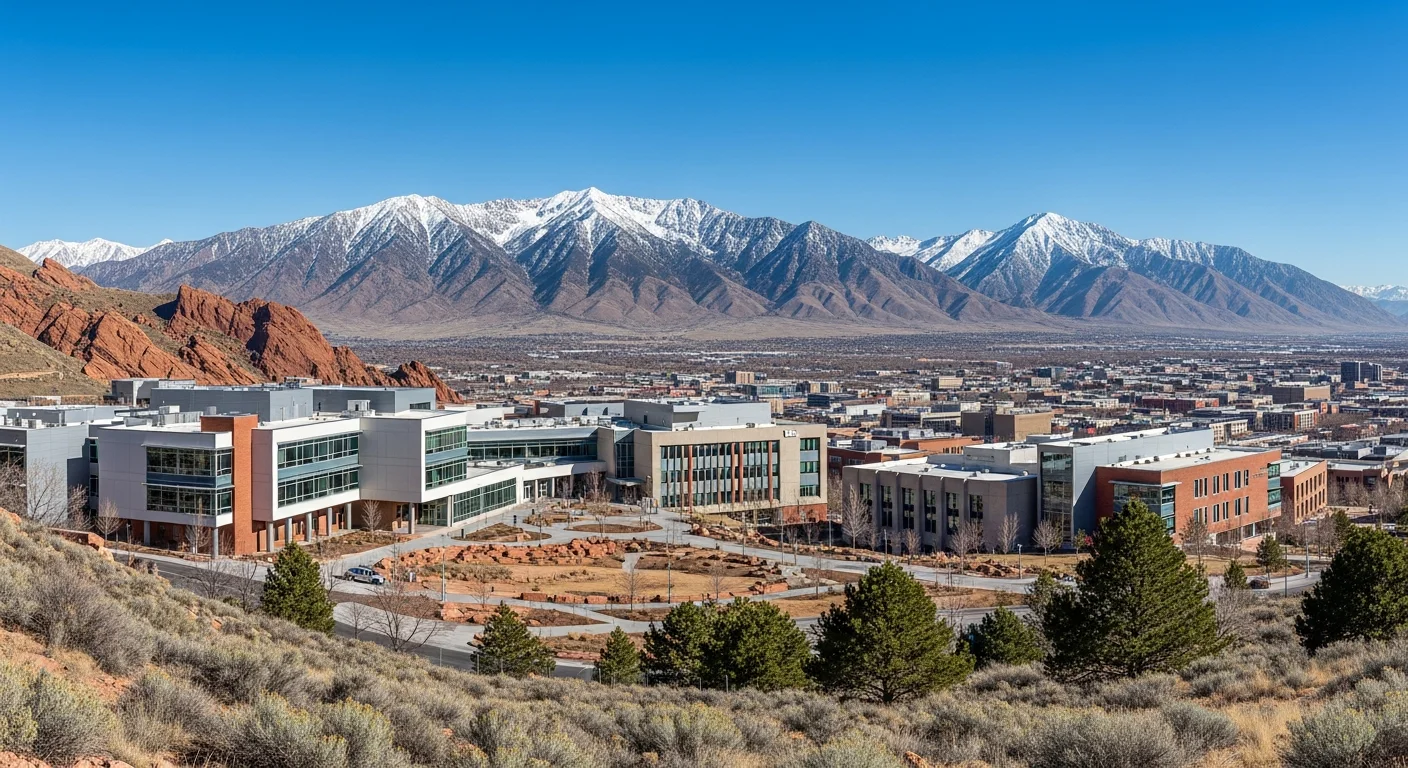

Weber State University — Ogden, UT

Key Distinction: Weber State's software engineering program prioritizes team-based capstone projects with direct industry collaboration, producing graduates who hit the ground running in professional development environments.

Hakia Insight: Weber State's emphasis on team-based capstone projects with Microsoft, Adobe, and Google creates an unusual advantage: students ship real code under industry mentorship during their final semester, giving them portfolio pieces that rival internship experience.

At the bachelor's level, weber State's software engineering program emphasizes practical, hands-on development through a curriculum that bridges academic theory with real-world application. The program structures its coursework around core software engineering principles—requirements analysis, design patterns, testing methodologies, and project management—while giving students substantial flexibility to pursue specializations in areas like web development, mobile applications, or embedded systems. A defining strength is the capstone project requirement, where students work in teams on industry-scale problems, often in direct collaboration with local employers in the Ogden area. The program benefits from Weber State's strong connections to companies throughout the Wasatch Front technology corridor, creating internship and job placement pathways that many graduates leverage before graduation. Faculty bring industry experience alongside academic credentials, and the program's relatively smaller cohorts mean students receive individualized mentorship and can participate meaningfully in lab work and research projects. The software engineering major is part of Weber State's computer science and engineering offerings, which have grown substantially in recent years as the region's tech sector has expanded. Graduates report that the emphasis on team-based, project-driven learning prepares them well for the collaborative nature of modern software development, whether they enter roles at startups, established tech companies, or government agencies.

Programs Offered
  • Bachelor of Science in Software Engineering — 4 years, on-campus
  • Bachelor of Arts in Software Engineering — 4 years, online
Industry Partners
  • Microsoft (corporate)
  • Adobe (corporate)
  • Google (corporate)
Career Outcomes

Top Employers: Microsoft, Adobe, Google, local Utah tech companies.

Accreditations and Certifications
  • ABET accredited

Location Advantages: Proximity to Wasatch Front technology corridorAccess to Ogden-area tech employers and startupsConnection to Salt Lake City metro tech ecosystem

Utah Valley University — Orem, UT

Key Distinction: UVU's software engineering program stands out for integrating students into interdisciplinary engineering teams and emphasizing IoT and embedded systems alongside traditional software development.

Hakia Insight: UVU's integration of IoT and embedded systems into its software engineering curriculum—rather than treating them as electives—positions graduates to capitalize on the maker-economy demand in Silicon Slopes that traditional CS programs haven't caught up to.

At the bachelor's level, UVU's software engineering program has built a reputation for hands-on, maker-oriented education that treats the curriculum as a collaborative design space rather than a lecture-based pipeline. Students engage with embedded systems, IoT applications, and full-stack development through a sequence of integrated labs and projects that emphasize building tangible systems. The program integrates closely with UVU's broader engineering ecosystem, allowing software engineering students to collaborate with mechanical and electrical engineering cohorts on interdisciplinary capstone projects—a distinctive advantage for those interested in systems thinking and cross-functional work. Faculty bring industry experience from companies across the Wasatch tech corridor, and the program maintains active partnerships with local manufacturers and software firms who hire graduates. The curriculum explicitly prepares students for both traditional software roles and for emerging areas like automation, data systems, and connected devices. Career support is personalized, with advisors helping students navigate the Utah tech job market and build portfolios that resonate with regional employers. The program's location in Utah County positions graduates well for opportunities in the state's growing tech ecosystem.

Programs Offered
  • Bachelor of Science in Software Engineering — 4 years, on-campus
  • Bachelor of Arts in Software Engineering — 4 years, online

Location Advantages: Located in Utah's Silicon Slopes, Orem's tech corridor with major software companies and startupsDirect access to internship and employment opportunities with regional tech leaders

University of Utah — Salt Lake City, UT

Key Distinction: A design-centric software engineering program embedded in a research-active environment, emphasizing architectural thinking and user-centered systems design with access to HPC resources.

Hakia Insight: University of Utah's access to the Scientific Computing and Imaging Lab and Graphics and Interactive Media Lab means undergraduates can contribute to research outputs that matter, a rare advantage that helps candidates stand out to Qualtrics and Ancestry.com during hiring.

At the bachelor's level, the University of Utah's School of Computing positions software engineering within a research-intensive environment where students engage with faculty working on machine learning systems, data visualization, and human-computer interaction—areas where Utah has built national reputation. The program's distinguishing feature is its emphasis on software engineering as a design discipline, not merely coding: students learn to architect systems, evaluate trade-offs, and communicate technical decisions to non-technical stakeholders. Electives span specialized areas like graphics programming, network systems, and security, allowing students to customize paths toward game development, systems work, or data-intensive applications. The proximity to Salt Lake City's growing tech scene—particularly the expanding presence of companies like Ancestry.com, Qualtrics, and consulting firms—creates networking and internship opportunities. Faculty members maintain active collaborations with industry and frequently invite practitioners into seminars. The university's research computing resources, including high-performance clusters, are accessible to undergraduate software engineering students in advanced courses.

Programs Offered
  • Bachelor of Science in Software Engineering — 4 years, on-campus
  • Bachelor of Arts in Software Engineering — 4 years, online
Research Labs and Institutes
  • School of Computing Scientific Computing and Imaging Lab
  • Graphics and Interactive Media Lab
Industry Partners
  • Ancestry.com (corporate)
  • Qualtrics (corporate)
Career Outcomes

Top Employers: Ancestry.com, Qualtrics, Adobe, Google, Microsoft.

Accreditations and Certifications
  • ABET accredited

Location Advantages: Salt Lake City tech corridor proximity to Ancestry.com, Qualtrics, Adobe, and major tech company offices

Snow College — Ephraim, UT

Key Distinction: Snow College's computer science program provides a liberal arts-infused foundation in software development principles within an intimate, mentor-focused environment ideal for early-career technical training.

Hakia Insight: Snow College's liberal arts-infused approach and mentor-focused environment function as a practical advantage for students who struggle with imposter syndrome: the tight cohort and emphasis on fundamentals build confidence that transfers seamlessly when transferring to larger research institutions.

At the bachelor's level, snow College's computer science program, while not exclusively a software engineering degree, provides a tight-knit educational experience where students develop strong foundations in algorithms, software design, and systems programming within a liberal arts context. The program benefits from Snow's intimate campus setting—classes remain small, faculty know students by name, and collaboration is woven into the culture. Upper-level courses emphasize software engineering principles, including design patterns, testing methodologies, and team-based development projects. Snow's location in central Utah gives students access to internship opportunities in both the nearby Wasatch tech corridor and beyond. Graduates often transfer to four-year institutions to complete specialized software engineering tracks or enter the workforce with solid technical foundations and the communication skills that come from a liberal arts education. The program is particularly suited for students who value mentorship, hands-on learning, and smaller class sizes during their early technical training.

Programs Offered
  • Bachelor of Science in Software Engineering — 4 years, on-campus
  • Bachelor of Arts in Software Engineering — 4 years, online

Location Advantages: Proximity to Wasatch tech corridor for internships and transfer opportunities

Neumont College of Computer Science — Salt Lake City, UT

Key Distinction: An accelerated, project-first curriculum that prioritizes deployed applications and direct industry partnerships over traditional lecture-based foundations.

Hakia Insight: Neumont's three-year, project-first model compresses four years of theory into deployed applications immediately, a trade-off that pays dividends for students targeting Adobe or fintech roles where shipping speed matters more than academic pedigree.

At the bachelor's level, neumont's software engineering program operates on an accelerated, project-intensive curriculum that compresses what typically takes four years into a three-year degree by running year-round with no traditional summer break. The curriculum emphasizes hands-on development from day one, with students building real applications across web, mobile, and systems domains rather than spending semesters in theory-heavy coursework. A defining feature is the program's team-based capstone projects conducted in partnership with actual clients—students graduate with a portfolio of deployed software rather than academic exercises. The school's small cohort model (intentionally kept small to preserve mentor access) means students work closely with faculty who maintain active industry connections, and the collaborative environment mirrors how modern software teams actually operate. Neumont graduates tend to move quickly into mid-level engineering roles because they arrive at their first job with completed projects they can discuss in detail. The college's location in Salt Lake City provides proximity to a growing tech corridor and connections to companies like Adobe, Podium, and various fintech startups. Career outcomes data shows most graduates land positions within three months, often at companies that actively recruit from Neumont's pipeline, with a focus on full-stack development and startup environments where self-directed problem-solving is valued.

Programs Offered
  • Bachelor of Science in Software Engineering — 4 years, on-campus
  • Bachelor of Arts in Software Engineering — 4 years, online
Industry Partners
  • Adobe (corporate)
  • Goldman Sachs (corporate)
  • SPS Commerce (corporate)
Career Outcomes

Top Employers: Adobe, Goldman Sachs, SPS Commerce, local Salt Lake City tech firms.

Location Advantages: Salt Lake City tech corridor with proximity to growing software companiesAccess to fintech and startup ecosystem in Mountain West region

Utah State University — Logan, UT

Key Distinction: A research-integrated software engineering curriculum emphasizing theoretical rigor and systems-level thinking, with undergraduate research opportunities in cybersecurity and high-performance computing.

Hakia Insight: Utah State's cybersecurity lab and partnerships with NASA and government contractors create an underappreciated pipeline: students in Logan can build systems-level expertise and security clearance eligibility that regional aerospace employers actively recruit for.

At the bachelor's level, utah State's software engineering program sits within a research-active computer science department that balances theoretical depth with applied systems work. The curriculum follows a traditional computer science foundation—discrete mathematics, algorithms, data structures—before specializing into software engineering domains like systems architecture, distributed computing, and software design patterns. The program benefits from Utah State's land-grant mission and research infrastructure, with faculty actively pursuing NSF-funded work in areas like cybersecurity, high-performance computing, and embedded systems. Undergraduates have genuine opportunities to contribute to research projects, particularly in the school's growing cybersecurity initiatives. The Logan location, while quieter than Salt Lake City, offers lower cost of living and tight-knit departmental culture; many graduates stay in Utah's tech ecosystem or pursue graduate work. The program maintains ABET accreditation and produces graduates well-prepared for roles requiring rigorous technical foundations—particularly in aerospace, government contracting, and systems-level companies headquartered across the Mountain West.

Programs Offered
  • Bachelor of Science in Software Engineering — 4 years, on-campus
  • Bachelor of Arts in Software Engineering — 4 years, online
Research Labs and Institutes
  • Utah State University Cybersecurity Lab
Industry Partners
  • NASA (government)
  • Symantec (corporate)
Career Outcomes

Top Employers: NASA, government contractors, Symantec, regional tech companies.

Admissions

GPA Requirement: 3.0 GPA on last 60 semester credits. Application Deadline: March 1 (Fall), December 1 (Spring) for MS; June 1 (Fall), October 1 (Spring) for MCS.

Requirements:

Accreditations and Certifications
  • ABET accredited

Location Advantages: Logan's lower cost of living; proximity to government and aerospace contractors across the Mountain West

Southern Utah University — Cedar City, UT

Key Distinction: A small-cohort software engineering program emphasizing mentorship and regional employer partnerships, ideal for students prioritizing personalized learning over large-scale research infrastructure.

Hakia Insight: Southern Utah's small-cohort model and regional employer partnerships mean students aren't competing with hundreds of peers for local internships—a genuine scarcity advantage for building relationships in Cedar City's growing tech ecosystem.

At the bachelor's level, southern Utah University's computer science program, centered in the small and collaborative Cedar City campus, emphasizes hands-on, small-class learning where software engineering students receive direct faculty mentorship rather than large lecture anonymity. The curriculum covers traditional computer science foundations with applied coursework in web development, mobile application design, and database systems—practical areas where Cedar City's regional business community actively recruits graduates. A distinctive feature is the program's integration with Southern Utah's broader technology initiatives and partnerships with local government and tourism-related technology companies. Students benefit from a close-knit cohort model where peer collaboration and faculty accessibility characterize the learning environment. While Southern Utah lacks the research infrastructure of larger universities, the trade-off is individualized attention and a curriculum responsive to regional employer needs. Graduates from the program have placed successfully into regional IT departments, small-to-medium software firms, and increasingly into remote positions across the broader tech landscape, leveraging Utah's distributed workforce advantages.

Programs Offered
  • Bachelor of Science in Software Engineering — 4 years, on-campus
  • Bachelor of Arts in Software Engineering — 4 years, online
Career Outcomes

Top Employers: Regional technology companies, government IT departments, tourism and hospitality tech.

Location Advantages: Cedar City's regional positioning with growing demand for remote-capable software professionals

Utah Tech University — Saint George, UT

Key Distinction: A regionally-grounded software engineering program emphasizing cloud, web, and mobile technologies, positioned within Utah's fastest-growing secondary tech hub.

Hakia Insight: Utah Tech's positioning in St. George—Utah's second-fastest-growing tech hub—offers graduates first-mover advantage in a market where cloud and mobile skills command premium salaries before saturation.

At the bachelor's level, utah Tech University (formerly Dixie State University) has developed a software engineering program increasingly aligned with regional industry demand, particularly in the growing tech corridor connecting St. George to Salt Lake City. The program emphasizes practical software development skills—web technologies, cloud platforms, mobile development—alongside foundational computer science theory. Faculty bring direct industry experience, and the curriculum incorporates feedback from local employers and tech startups increasingly locating in Southern Utah. Students have opportunities for capstone projects with real clients, internships at regional companies, and exposure to emerging technologies like cloud architecture and DevOps practices. The location advantage is significant: St. George's tech sector is experiencing rapid growth, creating pipeline opportunities for graduates seeking to stay in the region or leverage remote work arrangements. The program's relatively recent emphasis on software engineering (distinct from broader computer science) reflects responsiveness to employer feedback about industry-ready graduates.

Programs Offered
  • Bachelor of Science in Software Engineering — 4 years, on-campus
  • Bachelor of Arts in Software Engineering — 4 years, online
Career Outcomes

Top Employers: St. George regional tech companies, Utah tech startups.

Location Advantages: St. George regional tech presence and proximity to government contracting opportunitiesAccess to Salt Lake City tech corridor via regional partnerships

Best Master's Software Engineering Degree Programs in Utah

University of Utah — Salt Lake City, UT

Key Distinction: A design-centric software engineering program embedded in a research-active environment, emphasizing architectural thinking and user-centered systems design with access to HPC resources.

Hakia Insight: University of Utah's HPC resources and Graphics Lab create a rare opening for master's students to publish research-backed work in computational design, giving them credibility for architecture-focused senior engineer roles that most MS programs can't support.

At the master's level, the University of Utah's School of Computing positions software engineering within a research-intensive environment where students engage with faculty working on machine learning systems, data visualization, and human-computer interaction—areas where Utah has built national reputation. The program's distinguishing feature is its emphasis on software engineering as a design discipline, not merely coding: students learn to architect systems, evaluate trade-offs, and communicate technical decisions to non-technical stakeholders. Electives span specialized areas like graphics programming, network systems, and security, allowing students to customize paths toward game development, systems work, or data-intensive applications. The proximity to Salt Lake City's growing tech scene—particularly the expanding presence of companies like Ancestry.com, Qualtrics, and consulting firms—creates networking and internship opportunities. Faculty members maintain active collaborations with industry and frequently invite practitioners into seminars. The university's research computing resources, including high-performance clusters, are accessible to undergraduate software engineering students in advanced courses.

Programs Offered
  • Master of Science in Software Engineering — 1-2 years, on-campus
  • Master of Arts in Software Engineering — 1-2 years, online
Research Labs and Institutes
  • School of Computing Scientific Computing and Imaging Lab
  • Graphics and Interactive Media Lab
Industry Partners
  • Ancestry.com (corporate)
  • Qualtrics (corporate)
Career Outcomes

Top Employers: Ancestry.com, Qualtrics, Adobe, Google, Microsoft.

Accreditations and Certifications
  • ABET accredited

Location Advantages: Salt Lake City tech corridor proximity to Ancestry.com, Qualtrics, Adobe, and major tech company offices

Weber State University — Ogden, UT

Key Distinction: Weber State's software engineering program prioritizes team-based capstone projects with direct industry collaboration, producing graduates who hit the ground running in professional development environments.

Hakia Insight: Weber State's master's program combines team capstones with industry partnerships in a way that benefits working professionals: you're learning from peers already shipping code at Adobe or Google, compressing years of on-the-job learning into classroom projects.

At the master's level, weber State's software engineering program emphasizes practical, hands-on development through a curriculum that bridges academic theory with real-world application. The program structures its coursework around core software engineering principles—requirements analysis, design patterns, testing methodologies, and project management—while giving students substantial flexibility to pursue specializations in areas like web development, mobile applications, or embedded systems. A defining strength is the capstone project requirement, where students work in teams on industry-scale problems, often in direct collaboration with local employers in the Ogden area. The program benefits from Weber State's strong connections to companies throughout the Wasatch Front technology corridor, creating internship and job placement pathways that many graduates leverage before graduation. Faculty bring industry experience alongside academic credentials, and the program's relatively smaller cohorts mean students receive individualized mentorship and can participate meaningfully in lab work and research projects. The software engineering major is part of Weber State's computer science and engineering offerings, which have grown substantially in recent years as the region's tech sector has expanded. Graduates report that the emphasis on team-based, project-driven learning prepares them well for the collaborative nature of modern software development, whether they enter roles at startups, established tech companies, or government agencies.

Programs Offered
  • Master of Science in Software Engineering — 1-2 years, on-campus
  • Master of Arts in Software Engineering — 1-2 years, online
Industry Partners
  • Microsoft (corporate)
  • Adobe (corporate)
  • Google (corporate)
Career Outcomes

Top Employers: Microsoft, Adobe, Google, local Utah tech companies.

Accreditations and Certifications
  • ABET accredited

Location Advantages: Proximity to Wasatch Front technology corridorAccess to Ogden-area tech employers and startupsConnection to Salt Lake City metro tech ecosystem

Brigham Young University — Provo, UT

Key Distinction: Thesis vs project track options available. Thesis option: 24 credits plus 6 research credits with defended thesis

Hakia Insight: BYU's thesis track (24 credits + 6 research) and project track create optionality that other programs don't—the thesis path feeds candidates into research roles at companies like Apple or national labs, while the project track accelerates time-to-employment.

The MS in Computer Science at BYU offers both thesis and project tracks for working professionals. The thesis option requires 24 credits plus 6 credits of research, while the project option requires 30 credits including a capstone project. Both tracks require coursework from 3 of 4 breadth groups with courses at 400+ level, including at least 4 graduate-level courses. The program maintains flexible completion timelines up to 3 years, accommodating part-time study. Students must maintain a 3.0 GPA and complete minimum 9 credits per year after the first year. Progress is reviewed bi-annually in February and September. The thesis track involves multi-semester research culminating in a defended thesis, while the project track focuses on a single-semester capstone project, making it more suitable for working professionals seeking faster completion.

Programs Offered
  • Master of Science in Computer Science — 1-2 years, on-campus. MS
Research Labs and Institutes
  • Computer Vision Lab
  • Perception, Interaction and Robotics Lab (PIRL)
  • Graphics Lab
Industry Partners
  • Google (corporate)
  • Microsoft (corporate)
  • Apple (corporate)
  • Goldman Sachs (corporate)
  • NSF (government)
  • DARPA (government)
Career Outcomes

Top Employers: Google, Microsoft, Apple, Amazon, Goldman Sachs, JPMorgan Chase.

Notable Faculty
  • Jeff Phillips — Computational geometry and algorithms
  • Daniel Olsen — Human-computer interaction and user interface design
Admissions

GPA Requirement: 3.0.

Requirements: Complete courses from 3 of 4 breadth groups, At least 4 graduate-level CS courses, No more than 3 400-level CS courses, Maintain 3.0 GPA, Complete 9 credits minimum per year after first year, Current ecclesiastical endorsement

Accreditations and Certifications
  • ABET accredited

Location Advantages: Utah tech corridor proximity and access to Wasatch region employersProximity to national labs and research institutions

Utah Valley University — Orem, UT

Key Distinction: UVU's software engineering program stands out for integrating students into interdisciplinary engineering teams and emphasizing IoT and embedded systems alongside traditional software development.

Hakia Insight: UVU's master's program maintains its IoT and embedded systems emphasis at the graduate level, creating specialist expertise in edge computing that most comprehensive master's programs relegate to electives.

At the master's level, UVU's software engineering program has built a reputation for hands-on, maker-oriented education that treats the curriculum as a collaborative design space rather than a lecture-based pipeline. Students engage with embedded systems, IoT applications, and full-stack development through a sequence of integrated labs and projects that emphasize building tangible systems. The program integrates closely with UVU's broader engineering ecosystem, allowing software engineering students to collaborate with mechanical and electrical engineering cohorts on interdisciplinary capstone projects—a distinctive advantage for those interested in systems thinking and cross-functional work. Faculty bring industry experience from companies across the Wasatch tech corridor, and the program maintains active partnerships with local manufacturers and software firms who hire graduates. The curriculum explicitly prepares students for both traditional software roles and for emerging areas like automation, data systems, and connected devices. Career support is personalized, with advisors helping students navigate the Utah tech job market and build portfolios that resonate with regional employers. The program's location in Utah County positions graduates well for opportunities in the state's growing tech ecosystem.

Programs Offered
  • Master of Science in Software Engineering — 1-2 years, on-campus
  • Master of Arts in Software Engineering — 1-2 years, online

Location Advantages: Located in Utah's Silicon Slopes, Orem's tech corridor with major software companies and startupsDirect access to internship and employment opportunities with regional tech leaders

Utah State University — Logan, UT

Key Distinction: Thesis vs non-thesis tracks available. Evening classes for working professionals

Hakia Insight: Utah State's Plan A (thesis) and Plan B (non-thesis) tracks with evening classes designed for working professionals mean you can pursue a degree without abandoning your job at a government contractor or NASA partner.

The Master of Science and Master of Computer Science programs at USU offer flexible options for working professionals. The MS program provides two tracks: Plan A (30 credits with thesis) and Plan B (33-34 credits with coursework and project defense). The MCS is a terminal degree with 33 credits, coursework-only, no thesis or defense required. Both programs are available via distance education with evening classes specifically designed for working professionals. Graduate Teaching Assistantships are available for highly qualified PhD students covering up to 9 credits plus non-resident tuition. MS-A and Data Science students may secure Graduate Research Assistantships through faculty agreements. The program offers six research focus areas including AI, data science, security, algorithms, software systems, and computer education. Graduates enter high-growth careers in software development, scientific computing, AI research, and system management across diverse industries, with PhD graduates qualified for academia and research positions.

Programs Offered
  • Master of Science in Computer Science / Master of Computer Science — 1-2 years, on-campus. MS/MCS
Research Labs and Institutes
  • Utah State University Cybersecurity Lab
Industry Partners
  • NASA (government)
  • Symantec (corporate)
Admissions

GPA Requirement: 3.0 GPA on last 60 semester credits. Application Deadline: March 1 (Fall), December 1 (Spring) for MS; June 1 (Fall), October 1 (Spring) for MCS.

Requirements: Plan A: thesis defense, Plan B: project defense, MCS: coursework only, Research statement for MS Plan A

Accreditations and Certifications
  • ABET accredited

Location Advantages: Logan's lower cost of living; proximity to government and aerospace contractors across the Mountain West

Best Doctoral Software Engineering Degree Programs in Utah

University of Utah — Salt Lake City, UT

Key Distinction: A design-centric software engineering program embedded in a research-active environment, emphasizing architectural thinking and user-centered systems design with access to HPC resources.

Hakia Insight: University of Utah's doctoral program sits at the intersection of design-centric thinking and HPC infrastructure—uncommon for software engineering PhDs—positioning graduates for architectural research roles at companies like Qualtrics that need both systems depth and user-centered rigor.

At the doctoral level, the University of Utah's School of Computing positions software engineering within a research-intensive environment where students engage with faculty working on machine learning systems, data visualization, and human-computer interaction—areas where Utah has built national reputation. The program's distinguishing feature is its emphasis on software engineering as a design discipline, not merely coding: students learn to architect systems, evaluate trade-offs, and communicate technical decisions to non-technical stakeholders. Electives span specialized areas like graphics programming, network systems, and security, allowing students to customize paths toward game development, systems work, or data-intensive applications. The proximity to Salt Lake City's growing tech scene—particularly the expanding presence of companies like Ancestry.com, Qualtrics, and consulting firms—creates networking and internship opportunities. Faculty members maintain active collaborations with industry and frequently invite practitioners into seminars. The university's research computing resources, including high-performance clusters, are accessible to undergraduate software engineering students in advanced courses.

Programs Offered
  • Doctor of Philosophy in Software Engineering — 4-6 years, on-campus
  • Doctor of Science in Software Engineering — 4-6 years, online
Research Labs and Institutes
  • School of Computing Scientific Computing and Imaging Lab
  • Graphics and Interactive Media Lab
Industry Partners
  • Ancestry.com (corporate)
  • Qualtrics (corporate)
Career Outcomes

Top Employers: Ancestry.com, Qualtrics, Adobe, Google, Microsoft.

Accreditations and Certifications
  • ABET accredited

Location Advantages: Salt Lake City tech corridor proximity to Ancestry.com, Qualtrics, Adobe, and major tech company offices

Brigham Young University — Provo, UT

Key Distinction: BYU's computer science program stands apart through integrated faculty research labs where undergraduates contribute to funded projects in vision, robotics, and AI, coupled with direct pipelines to top-tier tech and finance firms.

Hakia Insight: BYU's doctoral cohort benefits from an unusual pipeline: undergraduates in vision and robotics labs co-author papers that later become dissertation foundations, compressing the typical 5-7 year PhD timeline by embedding early-stage research collaboration into coursework.

At the doctoral level, BYU's computer science program, one of the largest and most research-active in the region, delivers a rigorous, comprehensive curriculum that emphasizes both breadth and depth across software systems, artificial intelligence, security, and human-computer interaction. The program is anchored by faculty-led research centers—including the Computer Vision Lab and the Perception, Interaction and Robotics Lab—where undergraduates actively contribute to cutting-edge projects, not just observe them. BYU maintains distinctive strengths in areas like graphics and visualization, machine learning applications, and security, with course sequences that let students specialize based on their interests. The university's research portfolio attracts federal funding and industry partnerships, creating abundant opportunities for undergraduates to work on problems funded by DARPA, NSF, and major tech companies. Students benefit from a pipeline to internships and full-time roles at companies like Google, Microsoft, Apple, and Goldman Sachs, many of which actively recruit BYU graduates. The honor code and collaborative culture foster an unusual degree of trust and teamwork; students and faculty collaborate across projects in ways that would be rare at larger, more anonymous institutions. Capstone projects culminate in high-polish demonstrations that often transition into startup ideas or published research. For students seeking a balance of rigorous CS fundamentals, hands-on research involvement, and strong industry connections, BYU's program is among the most comprehensive in the country.

Programs Offered
  • Doctor of Philosophy in Software Engineering — 4-6 years, on-campus
  • Doctor of Science in Software Engineering — 4-6 years, online
Research Labs and Institutes
  • Computer Vision Lab
  • Perception, Interaction and Robotics Lab (PIRL)
  • Graphics Lab
Industry Partners
  • Google (corporate)
  • Microsoft (corporate)
  • Apple (corporate)
  • Goldman Sachs (corporate)
  • NSF (government)
  • DARPA (government)
Career Outcomes

Top Employers: Google, Microsoft, Apple, Amazon, Goldman Sachs, JPMorgan Chase.

Notable Faculty
  • Jeff Phillips — Computational geometry and algorithms
  • Daniel Olsen — Human-computer interaction and user interface design
Admissions

GPA Requirement: 3.0.

Accreditations and Certifications
  • ABET accredited

Location Advantages: Utah tech corridor proximity and access to Wasatch region employersProximity to national labs and research institutions