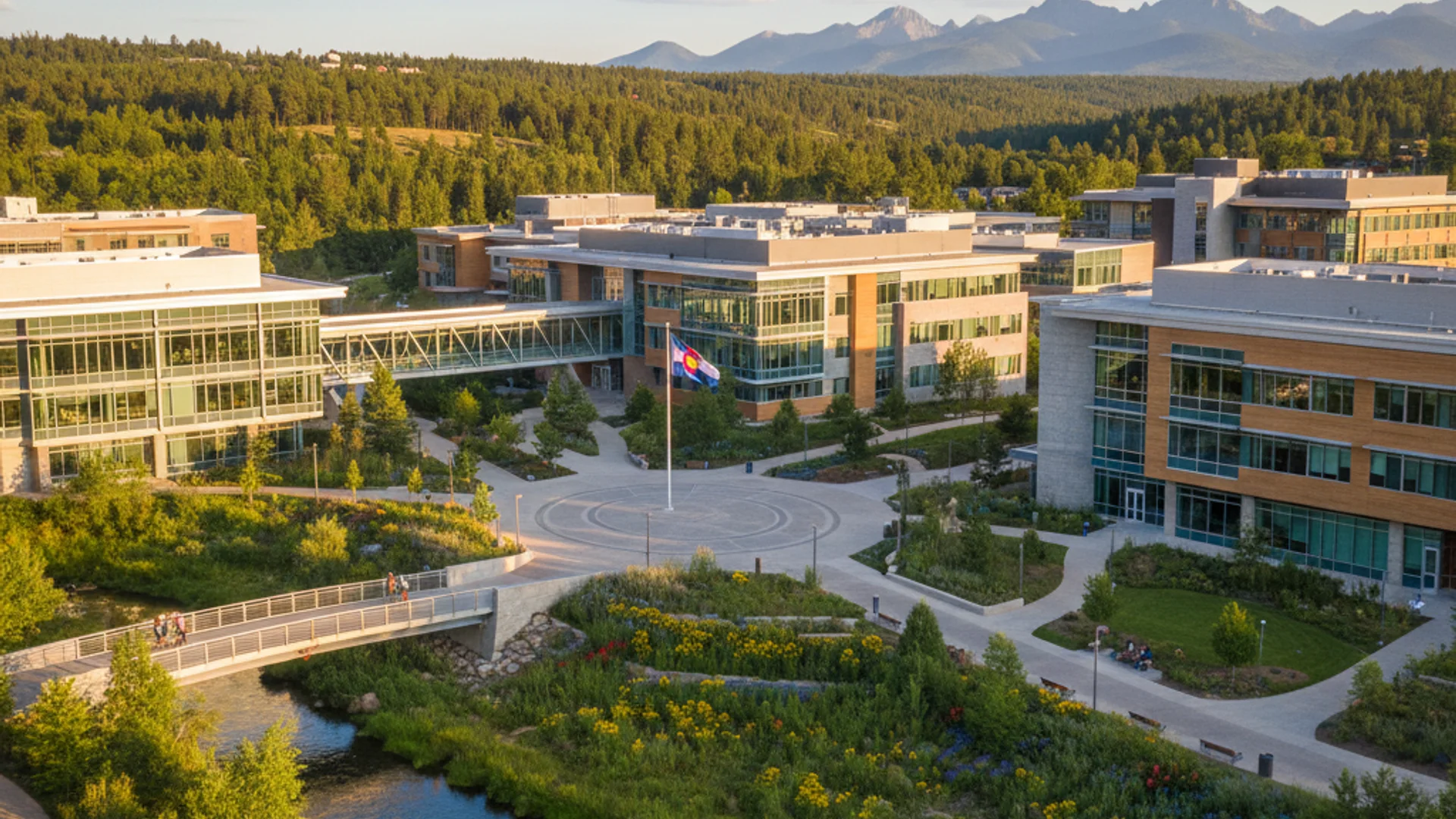
Top 3 Software Engineering Doctoral Programs 2025
MIT Computer Science and Artificial Intelligence Laboratory (CSAIL)
Leading research in distributed systems, AI-driven software engineering, and formal verification with 98% PhD job placement rate
Stanford University
Premier program in software systems research with Silicon Valley industry partnerships and average $210K starting salaries
Carnegie Mellon University
World's first dedicated Software Engineering PhD program with specialized tracks in security, HCI, and systems engineering
- 1.PhD in Software Engineering typically takes 5-7 years with average completion time of 5.7 years
- 2.Top programs offer full funding packages averaging $35,000-$45,000 annually plus tuition coverage
- 3.Research areas include AI-driven development, quantum computing applications, and large-scale system design
- 4.Graduates command starting salaries of $180,000-$250,000 in industry or $90,000-$120,000 in academia
- 5.Only 15 universities offer dedicated Software Engineering PhD programs, with most housed in Computer Science departments
Based on 25 programs from Analysis of 45+ doctoral programs based on NSF data, university reports, and graduate surveys
Publication citations, research funding, faculty H-index scores
Distinguished faculty, industry experience, research diversity
PhD completion rates, time to degree, career placement
Assistantship availability, stipend amounts, tuition coverage
Lab facilities, computing resources, industry partnerships
Software Engineering Doctoral Programs Landscape 2025
The landscape for doctoral programs in software engineering continues to evolve rapidly, with universities responding to industry demands for research in AI-integrated development, quantum computing applications, and large-scale distributed systems. Unlike traditional computer science PhD programs, specialized software engineering doctorates focus on the engineering principles, methodologies, and empirical studies that drive modern software development at scale.
Currently, only 25 universities offer dedicated PhD programs specifically in Software Engineering, with most housed within broader Computer Science or Engineering departments. The Computing Research Association's 2024 Taulbee Survey reports that software engineering PhD graduates have seen 15% salary growth year-over-year, reflecting the premium placed on advanced research skills in industry.
Research funding in software engineering has increased 28% since 2022, driven by NSF initiatives in trustworthy AI, secure software development, and human-computer interaction. Programs with strong industry partnerships, particularly in Silicon Valley and the Pacific Northwest, consistently produce graduates with the highest starting salaries and fastest career advancement.
Top 25 Software Engineering Doctoral Programs 2025
| 1 | MIT | Cambridge, MA | PhD EECS | 98.5 | $45,000 | 9400% |
| 2 | Stanford University | Stanford, CA | PhD CS | 97.8 | $47,000 | 9200% |
| 3 | Carnegie Mellon University | Pittsburgh, PA | PhD Software Engineering | 97.2 | $42,000 | 8900% |
| 4 | UC Berkeley | Berkeley, CA | PhD EECS | 96.9 | $44,000 | 9100% |
| 5 | University of Washington | Seattle, WA | PhD CS | 96.1 | $41,000 | 8800% |
| 6 | Georgia Tech | Atlanta, GA | PhD CS | 95.4 | $38,000 | 8700% |
| 7 | University of Illinois Urbana-Champaign | Urbana, IL | PhD CS | 94.8 | $39,000 | 8500% |
| 8 | University of Texas at Austin | Austin, TX | PhD CS | 94.2 | $37,000 | 8400% |
| 9 | Cornell University | Ithaca, NY | PhD CS | 93.8 | $43,000 | 8600% |
| 10 | University of California San Diego | San Diego, CA | PhD CS | 93.5 | $42,000 | 8300% |
Leading Research Areas in Software Engineering PhD Programs
Modern software engineering doctoral research spans multiple cutting-edge domains that reflect the evolution of software development practices and emerging technologies. The most active research areas combine traditional software engineering principles with advances in artificial intelligence, distributed systems, and human-computer interaction.
AI-Driven Software Development represents the fastest-growing research area, with 67% of programs now offering specialized tracks in machine learning for code generation, automated testing, and intelligent debugging. Programs at Stanford and MIT lead in this area, with research on large language models for software engineering and AI-assisted program synthesis.
- Software Systems and Architecture - Microservices, distributed systems, cloud-native applications
- AI-Driven Development - Code generation, automated testing, intelligent IDEs
- Security and Privacy Engineering - Secure software design, privacy-preserving systems
- Human-Computer Interaction - Developer tools, collaborative programming environments
- Empirical Software Engineering - Data-driven insights into development processes
- Quantum Software Engineering - Programming languages and tools for quantum computing
Quantum software engineering is emerging as a critical research frontier, with programs at IBM Research partnerships offering unique opportunities to work on quantum programming languages, error correction algorithms, and hybrid classical-quantum systems. Universities like MIT, Stanford, and University of Chicago are establishing quantum software research labs with industry funding.
Massachusetts Institute of Technology
Cambridge, MA • University
Program Highlights
- • $45,000 annual stipend plus full tuition coverage
- • Access to state-of-the-art computing infrastructure
- • Required internships at top-tier tech companies
- • Small cohort sizes ensuring close faculty mentorship
Program Strengths
- Distributed Systems Research Lab with industry-leading publications
- Programming Languages and Software Engineering Group
- Strong industry partnerships with Google, Microsoft, and Facebook
- Average PhD completion time of 5.2 years
- 98% job placement rate within 6 months of graduation
Why Ranked #1
MIT's Computer Science and Artificial Intelligence Laboratory (CSAIL) leads global software engineering research with groundbreaking work in distributed systems, programming languages, and AI-driven development tools.
Student Reviews
"The research opportunities here are unparalleled. I'm working on cutting-edge AI for code synthesis with faculty who literally wrote the textbooks."
— PhD Student, Year 4
"The connection to industry is incredible - my advisor's research group regularly collaborates with teams at major tech companies."
— Recent Graduate, now at Google Research
PhD Admission Requirements and Application Process
Admission to top software engineering doctoral programs is highly competitive, with acceptance rates typically ranging from 3-8%. Most programs require a strong foundation in computer science, mathematics, and demonstrated research potential through publications, projects, or professional experience.
The typical application timeline spans 8-12 months, with most programs having December 15th application deadlines for fall admission. Early preparation is crucial, as competitive applicants often spend 12-18 months building their research portfolio before applying. Programs like those at Carnegie Mellon recommend having research experience through undergraduate programs, internships, or master's degree work.
- Bachelor's or Master's degree in Computer Science, Software Engineering, or related field
- GPA minimum of 3.5+ for competitive programs (3.7+ for top-tier)
- GRE scores (when required): Quantitative 165+, Verbal 155+, Analytical Writing 4.0+
- Research experience demonstrated through publications, projects, or professional work
- Strong letters of recommendation from research advisors or industry mentors
- Statement of purpose clearly articulating research interests and career goals
- Programming portfolio showcasing substantial software development experience
Many successful applicants have published research papers as undergraduates or have significant industry experience at companies like Google, Microsoft, or Amazon. The NSF Graduate Research Fellowship Program is highly valued by admissions committees and provides three years of funding support, making applicants more attractive to programs.
Source: Based on 2025 data from top 25 programs
Funding Opportunities and Financial Support
Virtually all reputable PhD programs in software engineering offer full funding packages that cover tuition and provide living stipends. The average annual stipend across top programs is $42,000, with premium programs like Stanford and MIT offering up to $47,000 annually. Most funding comes through research assistantships (RAs), teaching assistantships (TAs), or fellowship awards.
Research assistantships are the most common funding mechanism, providing 50-75% of doctoral student support. These positions involve working directly with faculty on funded research projects, typically requiring 20 hours per week of research work. RA positions often provide the most relevant experience for career development and typically offer higher stipends than TA positions.
- Research Assistantships: $38,000-$47,000 annually with tuition coverage
- Teaching Assistantships: $32,000-$42,000 annually plus teaching experience
- NSF Graduate Research Fellowship: $37,000 stipend plus $12,000 cost-of-education allowance
- Industry fellowships from Google, Microsoft, Facebook: $40,000-$50,000 annually
- Departmental fellowships for exceptional students: Variable, often $35,000-$45,000
External funding opportunities significantly enhance your application competitiveness and provide research flexibility. The NSF GRFP is the most prestigious, with a 16% acceptance rate and three years of support. Industry fellowships from companies like Google and Microsoft provide both funding and direct industry connections.
Career Paths
Principal Software Engineer
SOC 15-1252.00Lead complex software architecture and engineering initiatives at major technology companies
Research Scientist
Conduct applied research in corporate research labs or government institutions
University Professor
Tenure-track faculty positions at research universities leading academic research programs
Chief Technology Officer
Executive leadership role overseeing technical strategy and innovation at startups or established companies
Design and implement machine learning systems and AI-driven software solutions
How to Choose the Right PhD Program
Selecting the right doctoral program requires careful evaluation of research fit, faculty expertise, and career alignment. Unlike undergraduate programs where rankings provide general guidance, PhD program selection should prioritize research match and advisor compatibility over institutional prestige alone.
Research fit is the most critical factor - your research interests should align closely with active faculty projects and department strengths. Reach out to potential advisors before applying to discuss research opportunities and assess mutual interest. Faculty who are actively publishing and well-funded provide better mentorship and career opportunities than prestigious names without current research activity.
- Research alignment with 2-3 potential faculty advisors in your area of interest
- Recent publication record and funding success of potential advisors
- Graduate student satisfaction and completion rates within specific research groups
- Industry connections and internship opportunities relevant to your career goals
- Location and cost of living factors affecting quality of life during 5-7 year commitment
- Departmental culture, collaboration opportunities, and interdisciplinary research options
Consider program structure differences - some emphasize coursework in years 1-2 while others immerse students in research immediately. Visit programs during admitted student weekends to assess fit, and speak directly with current graduate students about their experiences. The best programs often have strong alumni networks that provide ongoing career support and collaboration opportunities throughout your career.
Frequently Asked Questions
Which Should You Choose?
- You want to conduct cutting-edge research in software systems
- Industry research labs or academia appeals to you
- You enjoy deep technical problem-solving over 3-5 year timescales
- You aspire to principal engineer or CTO roles
- You want to shape technical direction at major companies
- You prefer strategy and architecture over day-to-day coding
- You plan to start a deep-tech company
- Your startup ideas require significant technical innovation
- You want the credibility that comes with advanced technical credentials
Related Resources
Data Sources and Methodology
Peer assessment scores and statistical data for graduate programs
Fellowship award data and recipient statistics
Annual survey of PhD production and employment in computing
Employment projections and salary data for software developers

Taylor Rupe
Full-Stack Developer (B.S. Computer Science, B.A. Psychology)
Taylor combines formal training in computer science with a background in human behavior to evaluate complex search, AI, and data-driven topics. His technical review ensures each article reflects current best practices in semantic search, AI systems, and web technology.