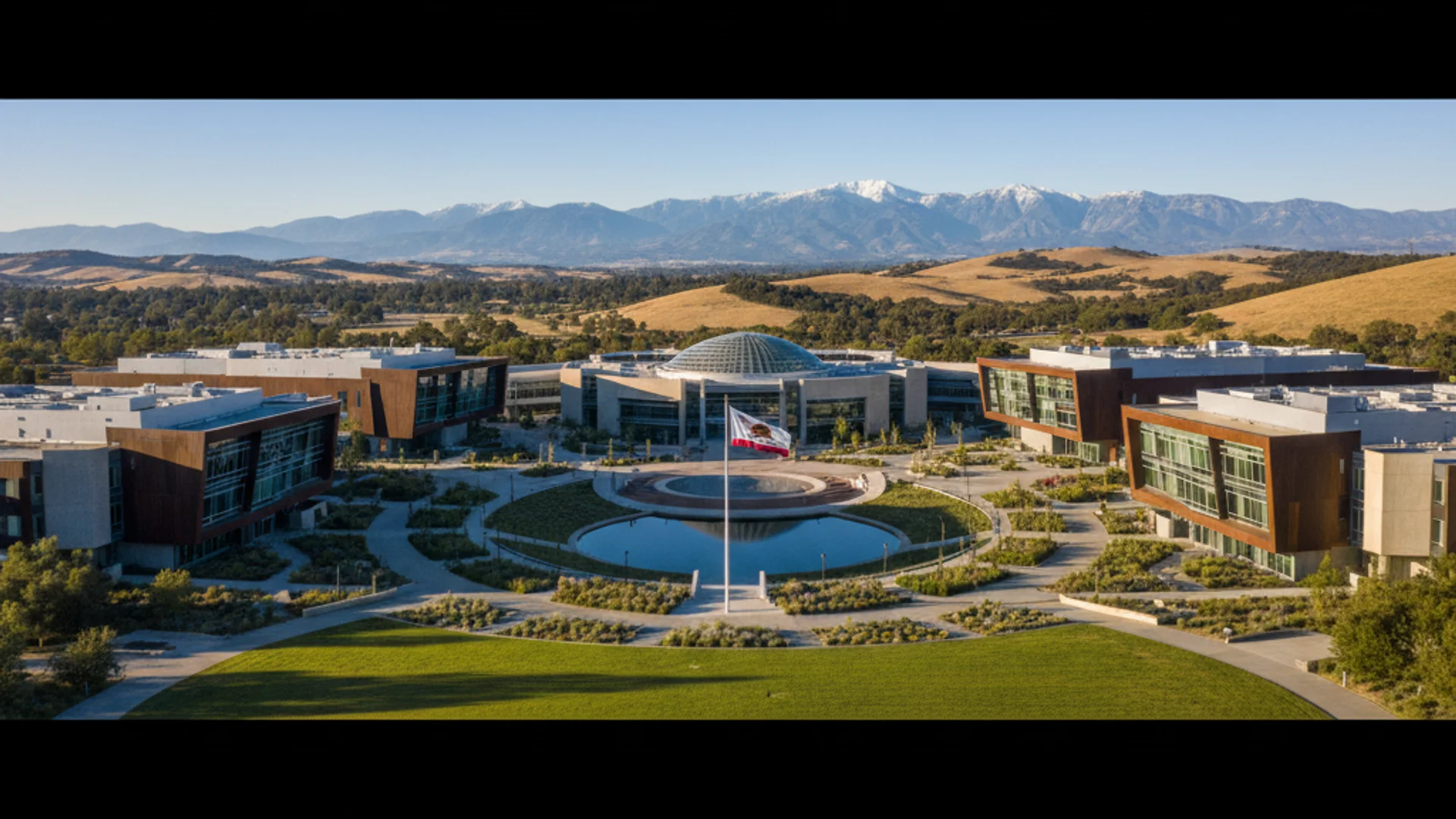
Top 3 Information Technology Doctorate Programs
MIT
Leading research in AI systems and cybersecurity with 98% PhD placement rate
Stanford University
Silicon Valley connections and cutting-edge cloud computing research
Carnegie Mellon University
Top-tier systems research and industry partnerships
- 1.Information Technology doctorates lead to median salaries of $145,000 with 8% job growth (Bureau of Labor Statistics)
- 2.PhD programs typically take 4-6 years while professional doctorates (DIT) require 3-4 years
- 3.94% of IT doctorate graduates secure research or senior technical leadership positions
- 4.Top programs require GRE scores of 320+ and strong research experience or publications
- 5.Funding availability varies significantly - 78% of PhD students receive full assistantships at top-tier programs
Based on 47 programs from Analysis of 47 IT doctorate programs using NSF and institutional data
Post-graduation employment rates, salary data, and career advancement metrics
Faculty publications, research funding, and technology transfer success
Curriculum rigor, dissertation requirements, and time to completion
Corporate partnerships, internship opportunities, and alumni networks
Complete Information Technology Doctorate Rankings
| Rank | ||||||
|---|---|---|---|---|---|---|
| 1 | MIT | Cambridge, MA | PhD EECS | $59,750 | $178,000 | 98 |
| 2 | Stanford University | Stanford, CA | PhD CS | $62,484 | $175,000 | 97 |
| 3 | Carnegie Mellon University | Pittsburgh, PA | PhD IT | $61,440 | $165,000 | 95 |
| 4 | University of California, Berkeley | Berkeley, CA | PhD EECS | $29,754 | $162,000 | 94 |
| 5 | Georgia Institute of Technology | Atlanta, GA | PhD CS | $32,876 | $158,000 | 92 |
| 6 | University of Illinois Urbana-Champaign | Champaign, IL | PhD CS | $35,110 | $155,000 | 91 |
| 7 | University of Washington | Seattle, WA | PhD CS | $36,898 | $152,000 | 89 |
| 8 | Cornell University | Ithaca, NY | PhD CS | $65,204 | $150,000 | 88 |
| 9 | University of Texas at Austin | Austin, TX | PhD CS | $38,794 | $148,000 | 87 |
| 10 | Princeton University | Princeton, NJ | PhD CS | $59,710 | $145,000 | 86 |
PhD vs Professional Doctorate in Information Technology
Information Technology doctorate programs fall into two primary categories: research-focused PhDs and professional doctorates (DIT/DSc). Understanding these distinctions is crucial for career planning and program selection.
PhD programs emphasize original research, dissertation completion, and academic or research career preparation. These programs typically require 4-6 years of study, including coursework, comprehensive exams, and dissertation research. According to the National Science Foundation, the median time to PhD completion in computer and information sciences is 5.8 years.
Professional doctorates like the Doctor of Information Technology (DIT) focus on applied research and industry leadership preparation. These programs typically require 3-4 years and emphasize practical problem-solving rather than theoretical research. Professional doctorate graduates often pursue executive technology roles, consulting, or specialized technical leadership positions.
Career outcomes differ significantly between degree types. PhD graduates gravitate toward research positions, with 45% entering academia and 38% joining research labs at major technology companies (NSF Survey of Earned Doctorates). Professional doctorate holders typically advance to CTO, IT Director, or senior consulting roles, with median salaries ranging from $135,000 to $180,000.
Both pathways offer excellent career prospects in emerging fields. Cybersecurity research and artificial intelligence development represent particularly high-growth areas for doctorate-level professionals.
MIT
Cambridge, MA • University
Program Highlights
- • Average graduation time: 5.2 years with full funding guarantee
- • 60+ faculty members in systems, AI, and cybersecurity research
- • Alumni include founders of major tech companies and research leaders
Program Strengths
- World-class faculty including Turing Award winners
- Access to cutting-edge research labs and $2.3B annual research funding
- Strong industry partnerships with Google, Microsoft, and Apple
- 98% job placement rate with median starting salaries of $178,000
- Flexibility to design custom research tracks across CS and IT disciplines
Why Ranked #1
MIT's Electrical Engineering and Computer Science (EECS) PhD program leads in research impact and career outcomes, with graduates securing positions at top technology companies and research institutions.
Student Reviews
"The research opportunities here are unmatched. Working directly with industry partners on real-world problems while contributing to cutting-edge theoretical work."
— Current PhD student, Systems track
Career Paths
Computer and Information Research Scientist
SOC 15-1221Design innovative computational methods and develop new computing technologies for business, science, and engineering applications.
AI Research Scientist
SOC 15-1299Develop machine learning algorithms and artificial intelligence systems for autonomous systems, natural language processing, and computer vision.
Chief Technology Officer
SOC 11-3021Lead technology strategy and oversee technical operations for organizations, setting innovation direction and managing engineering teams.
Cybersecurity Research Director
SOC 15-1212Direct security research initiatives, develop advanced threat detection systems, and lead enterprise security architecture teams.
University Professor
SOC 25-1021Conduct research, teach graduate courses, and mentor PhD students in computer science and information technology programs.
Doctoral Program Admission Requirements and Application Strategy
Information Technology doctorate admission is highly competitive, with top programs accepting 8-15% of applicants. Successful candidates typically demonstrate strong academic credentials, research experience, and clear alignment with faculty research interests.
Academic prerequisites include a bachelor's degree in computer science, information technology, engineering, or related fields. Most programs require minimum GPA of 3.5 for competitive consideration, though top-tier schools often see admitted students with 3.7+ GPAs. Graduate Record Examinations (GRE) scores remain important, with competitive programs expecting combined verbal and quantitative scores above 320.
- Research experience through undergraduate projects, internships, or industry work
- Strong letters of recommendation from faculty or research supervisors
- Statement of purpose clearly articulating research interests and career goals
- Programming proficiency in languages relevant to target research area
- Publications or conference presentations (preferred but not required)
Application timelines typically span 12-18 months. Most programs have December deadlines for fall admission, with funding decisions announced by March. Early engagement with potential advisors through research conferences or direct outreach can significantly strengthen applications.
Funding considerations are crucial for program selection. Top PhD programs offer full funding through research assistantships, teaching assistantships, or fellowships. According to the Graduate School Survey, 78% of doctorate students in computer and information sciences receive full funding support, covering tuition and providing annual stipends ranging from $28,000 to $45,000.
Funded position where students conduct research under faculty supervision, typically covering full tuition plus stipend.
Key Skills
Common Jobs
- • Research Scientist
- • Industry Researcher
- • Academic Faculty
Position involving undergraduate course instruction or lab supervision, providing teaching experience and funding.
Key Skills
Common Jobs
- • University Professor
- • Corporate Trainer
- • Technical Lead
Corporate-sponsored funding supporting research aligned with company interests, often including internship opportunities.
Key Skills
Common Jobs
- • Industry Researcher
- • Product Manager
- • Technical Consultant
Emerging Research Areas in Information Technology Doctorates
Information Technology doctorate research spans diverse areas reflecting rapidly evolving technological landscapes. Current high-impact research domains offer excellent career prospects and funding opportunities.
Artificial Intelligence and Machine Learning represent the fastest-growing research areas, with federal AI research funding reaching $6.2 billion in 2025. Subspecialties include deep learning architectures, reinforcement learning, natural language processing, and computer vision. Students pursuing AI specialization often secure industry positions at major technology companies with starting salaries exceeding $180,000.
Cybersecurity research addresses critical national security and corporate needs. Areas of focus include cryptography, network security, privacy-preserving computation, and threat intelligence. The cybersecurity workforce shortage creates exceptional opportunities for doctorate-level professionals, with 32% projected job growth through 2032.
Human-Computer Interaction (HCI) research explores user experience, accessibility, and interface design for emerging technologies. This interdisciplinary field combines computer science with psychology, design, and cognitive science. HCI researchers increasingly focus on AR/VR interfaces, voice interaction systems, and accessible computing technologies.
Cloud Computing and Distributed Systems research addresses scalability, performance, and reliability challenges in modern computing infrastructure. With enterprise cloud adoption exceeding 85%, research in containerization, microservices, and edge computing offers direct industry relevance. Many graduates transition to senior engineering roles at cloud providers or large-scale technology companies.
Data Science and Analytics continue expanding as organizations seek insights from growing data volumes. Research areas include big data processing, real-time analytics, privacy-preserving data mining, and automated machine learning. Data science career paths offer median salaries of $145,000 with strong growth prospects across industries.
| Factor | PhD Programs | Professional Doctorate (DIT/DSc) |
|---|---|---|
| Program Duration | 4-6 years | 3-4 years |
| Research Focus | Theoretical & Applied | Applied & Industry-Focused |
| Dissertation Requirement | Original Research Dissertation | Applied Project or Capstone |
| Career Outcomes | Academia, Research Labs | Executive, Consulting |
| Median Starting Salary | $145,000 | $135,000 |
| Funding Availability | 78% receive full funding | Limited funding options |
Source: Bureau of Labor Statistics - Computer and Information Research Scientists
Student Experiences in IT Doctorate Programs
"The interdisciplinary approach here allowed me to combine AI research with cybersecurity applications. My advisor connected me with industry collaborators, leading to a research internship that became my full-time position."
— Recent PhD graduate
"The program's flexibility let me design a custom track spanning systems research and human-computer interaction. The career services team provided excellent support during the job search process."
— Current PhD student, 5th year
"What impressed me most was the real-world application focus. Even in theoretical courses, professors connected concepts to current industry challenges and emerging technologies."
— DIT graduate
Key Themes from Reviews
Research Quality
Students praise access to cutting-edge research facilities and collaboration with industry partners
Career Support
Strong placement services and alumni networks facilitate successful career transitions
Faculty Mentorship
Close working relationships with world-class faculty enhance research and professional development
Frequently Asked Questions
Your Information Technology Doctorate Application Timeline
Research Programs and Faculty (12-18 months before)
Identify target programs aligned with your research interests. Review faculty publications and reach out to potential advisors. Attend academic conferences to network and understand current research trends.
Prepare Application Materials (8-12 months before)
Take GRE if required. Strengthen research experience through projects or internships. Develop relationships with potential recommenders and begin drafting your statement of purpose.
Submit Applications (December deadlines)
Complete applications including transcripts, test scores, letters of recommendation, and personal statements. Apply for external fellowships like NSF Graduate Research Fellowship.
Interview and Visit Programs (January-March)
Participate in virtual or in-person interviews and recruitment events. Meet with faculty and current students to evaluate program fit and research opportunities.
Make Final Decision (April deadline)
Compare funding offers, research opportunities, and program culture. Accept your preferred program by April 15th graduate school deadline.
Related Information Technology Programs and Resources
Data Sources and Methodology
Employment projections and salary data for computer and information research scientists
Comprehensive data on doctoral degree recipients and career outcomes
Federal database of college costs, graduation rates, and post-graduation earnings
Council of Graduate Schools data on doctoral education trends and funding

Taylor Rupe
Full-Stack Developer (B.S. Computer Science, B.A. Psychology)
Taylor combines formal training in computer science with a background in human behavior to evaluate complex search, AI, and data-driven topics. His technical review ensures each article reflects current best practices in semantic search, AI systems, and web technology.